

Change is the only constant thing—a perfect phrase that describes the continuous evolution and transformation of our world. A lot is changing, evolving, advancing but there is one old-school marketing method that still stands out: word of mouth (WOM) marketing. Marketing expert Jay Baer put it well when he said, “A customer talking about their experience with you is worth ten times that which you write or say about yourself.” This quote highlights just how powerful personal recommendations can be in influencing opinions and decisions.
Consider this interesting fact: a study from the Word of Mouth Marketing Association reveals that every day, there are approximately 2.4 billion brand-related conversations and this number is just from the United States. People naturally talk about their experiences with products and services, showcasing the significant role that WOM plays in our daily lives, especially in today’s digital age where information is always at our fingertips.
Referral programs are a modern twist on this age-old tactic. They give a formal structure to WOM by rewarding customers for sharing their positive experiences. This approach not only keeps the authenticity of personal recommendations but also adds a level of control and tracking that turns casual chats into a powerful tool for businesses.
In this blog, we will dive into how businesses can harness the power of WOM and boost it with strategic referral programs. This combination can help ensure that this traditional form of marketing remains a vital part of any modern marketing strategy.
What is Word of Mouth Marketing
Word of mouth marketing (WOM) is essentially what happens when someone talks positively about a product or service, influencing others to consider trying it. It’s one of the oldest and most trusted forms of marketing.
Have you ever recommended your favourite coffee shop to a friend? That’s WOM in action.
But what exactly makes it so influential in today’s marketing world?
The answer lies in its authenticity. Unlike traditional advertising, WOM isn’t paid for or scripted; it’s a genuine expression of satisfaction from someone who has experienced a product or service. As marketing guru Seth Godin puts it, “People do not buy goods and services. They buy relations, stories, and magic.” WOM is powerful because it’s about real people sharing real stories.
There are two types of word of mouth marketing:
- Organic : Organic WOM occurs naturally. It happens when people become fans of your product and decide to tell their friends about it without any prompt from you.
On the other hand,
- Amplified : amplified WOM is when businesses take active steps to encourage customers to share their experiences. This can be through referral programs, social media campaigns, or incentives.
With time, WOM has evolved but its essence remains the same. It’s more than just advertising; it’s about creating genuine connections and experiences that people want to share. With consumers growing wary of traditional advertisements, WOM stands out as a beacon of trustworthiness in a sea of marketing noise, making it an essential strategy for any brand looking to build a lasting relationship with its audience.
Why Word of Mouth Marketing and Necessity for Startups and Businesses
Why does word of mouth marketing (WOM) hold such a critical role in today’s business world, especially for startups and small businesses? Let’s dive into this essential strategy.
Firstly, WOM is the cornerstone of building trust and credibility. In an era where consumers are bombarded with countless ads, the genuine endorsement from a friend or family member stands out significantly. Trust is the currency of business, and WOM deposits it directly into the bank of consumer confidence.
Consider this: a report by Nielsen found that 83% of consumers in 60 countries trust recommendations from friends and family. That’s a powerful testament to the role of WOM in influencing decisions.
For startups and small businesses, particularly those with tight budgets, WOM can be a game-changer. Marketing can be costly, and when funds are limited, spending large amounts on ads that may or may not resonate with the audience is a risky gamble. WOM, however, offers a more cost-effective approach. It capitalizes on the natural advocacy of satisfied customers, turning them into a voluntary marketing force. This not only saves money but also often results in higher-quality leads. After all, a recommendation from a trusted source carries more weight than any billboard or online ad.
Moreover, WOM is not just about making a quick sale—it’s about building sustainable business growth through authentic customer relationships. When customers are genuinely pleased with a product or service, their natural inclination to share their positive experiences can lead to a virtuous cycle of repeat business and new customers. According to a study by the American Marketing Association, WOM has been shown to improve marketing effectiveness by up to 54%.
This is a digital era, where user reviews and social shares can make or break a business, leveraging WOM effectively means creating a brand that people not only love but are eager to talk about. It’s about delivering exceptional value that customers can’t wait to share with their circle, ensuring that each customer’s voice becomes a powerful asset in the brand’s marketing toolkit.
WOM isn’t just another marketing strategy; for startups and small businesses, it’s a crucial lifeline to achieving credibility, cost-effective growth, and long-term sustainability in a competitive market.
Benefits of Word of Mouth Marketing
The benefits of word of mouth marketing (WOM) are significant, making it a powerful tool for any business that wants to succeed in today’s competitive environment. Let’s explore these benefits :
- Trust and Credibility: People trust what their friends and family recommend far more than any advertisement. Studies show that 83% of people trust recommendations from people they know. This trust isn’t something you can buy, and it makes a huge difference in how people view your brand.
- Better Sales and Customer Loyalty: When a friend recommends a product, it’s more likely that the recommendation will lead to a sale. In fact, customers who are referred by a friend are more likely to stick with a product longer. This is because a recommendation from someone you trust makes a strong emotional connection with the brand.
- Saves Money and Gives Great Returns: Compared to regular advertising, which can be pricey, WOM is more about using existing relationships your customers have. It’s much cheaper and often gives a better return on investment. For example, marketing research has shown that WOM can generate more than double the sales of paid advertising in some industries.
Using word of mouth in your marketing isn’t just a good idea—it’s a tested strategy that builds trust, improves customer loyalty, and achieves growth without the high costs of traditional advertising. As more and more consumers grow skeptical of ads, WOM remains a crucial strategy to reach and connect with your audience in a meaningful way.
Why It’s Important to Accelerate Word of Mouth Marketing with Other Marketing Strategies like Referral Programs
Word of mouth marketing (WOM) is a really strong tool because it’s built on trust and authenticity. However, it has some drawbacks, especially in today’s fast-paced business environment. For one, it can be slow and unpredictable. Businesses don’t have much control over how or when WOM happens. Without something like a referral program, it’s tough for companies to fully use WOM to their advantage or guide the conversations about their products. Also, with regular WOM, it’s hard to track progress or see how effective it is.
Integrating WOM with referral programs can really kick things up a notch. Here’s why boosting WOM with such programs is crucial and what benefits they bring:
Making WOM More Organized with Referral Programs
Referral programs help put a reliable structure around WOM. They turn those random, spontaneous recommendations into something organized. By using a referral program, companies can actively encourage their customers to share their good experiences. It’s not just hoping people will talk; it’s giving them a strong reason to do so. For instance, referral programs usually reward both the person who makes the referral and the person who gets referred, making it more likely for customers to spread the word.
Main Benefits of Combining Referral Programs with WOM
- Control and Scalability: One big issue with natural WOM is how unpredictable it can be. Referral programs let you control the messaging and keep the momentum going with consistent rewards. Plus, these programs can grow with your business, whether you’re just starting out or expanding.
- Measurable Results: How do you know if your WOM strategy is working? With referral programs, you can track everything from how many people are participating to how many new customers you’re getting. This information is crucial for tweaking your approach and ensuring you’re getting a good return on your investment.
- Boosting Customer Engagement: Referral programs do more than get people talking; they actively involve them in the promotion process. When customers know they’ll get something in return for making referrals, they feel more connected and important to your business. This can make them more loyal and less likely to go to a competitor.
Pairing WOM with a referral program not only makes this marketing strategy more effective but also fits perfectly with modern business needs for measurable, strategic growth. Referral programs turn happy customers into active promoters of your brand. They’re not just sharing their positive experiences because they liked your product—they’re sharing because it benefits them too, which strengthens their connection with your business. This approach ensures that WOM continues to be a key part of marketing efforts in a world where personal connections are still incredibly powerful.
Ideal Businesses for Word of Mouth Marketing: Success Stories Across Various Industries
Word of mouth marketing (WOM) isn’t just a one-size-fits-all strategy; it adapts beautifully across various industries, each leveraging it in unique ways. Let’s look at some real-life examples from different sectors to see how they successfully implement WOM and referral programs:
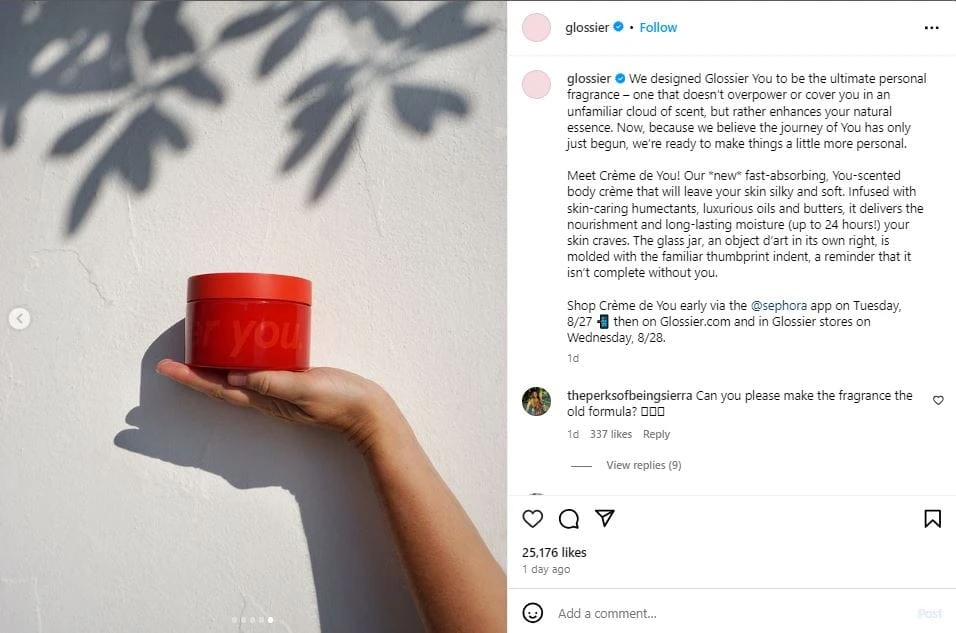
E-commerce and Retail: Glossier
Glossier, a beauty brand born online, leverages social media to turn ordinary customers into powerful advocates. By engaging directly with consumers on platforms like Instagram, Glossier not only boosts its visibility but also creates a community of loyal fans who share their experiences and recommendations. This approach has helped Glossier grow predominantly through organic WOM, emphasizing the brand’s commitment to authenticity and customer interaction.
SaaS: Dropbox
Dropbox’s referral program is a textbook example of how SaaS companies can drive growth. By offering extra storage space for both the referrer and their friends, Dropbox turned its users into active promoters.

This simple incentive helped skyrocket their user base from 100,000 to 4 million in just 15 months. The program was so successful because it offered a tangible reward that was directly valuable to its user base, making it a win-win for both Dropbox and its customers.
Financial Services: American Express
American Express uses referral programs to enhance customer loyalty and attract new cardholders. Their program rewards existing customers with points or cash back when they refer friends who get approved for a card. This not only incentivizes current cardholders to share their positive experiences but also ensures new customers come through a trusted recommendation, enhancing the perceived value and credibility of American Express’s services.

Health and Wellness: Peloton

Peloton, known for its interactive fitness equipment, uses referral incentives to encourage membership growth. By offering boutique credit to members who refer friends, Peloton not only increases its user base but also fosters a community feeling. This strategy helps maintain high engagement levels and customer loyalty, as users are rewarded for bringing like-minded individuals into the Peloton community.
Hospitality and Travel: Airbnb
Airbnb’s referral program boosts bookings by offering travel credits to both the referrer and the referred. This program effectively uses existing customers’ networks to reach potential new guests, reducing marketing costs and building a global community of hosts and travelers who trust and bolster Airbnb’s brand. The travel credits encourage continued engagement with the platform, ensuring both parties feel they are receiving something of value.

Education and Training: Coursera
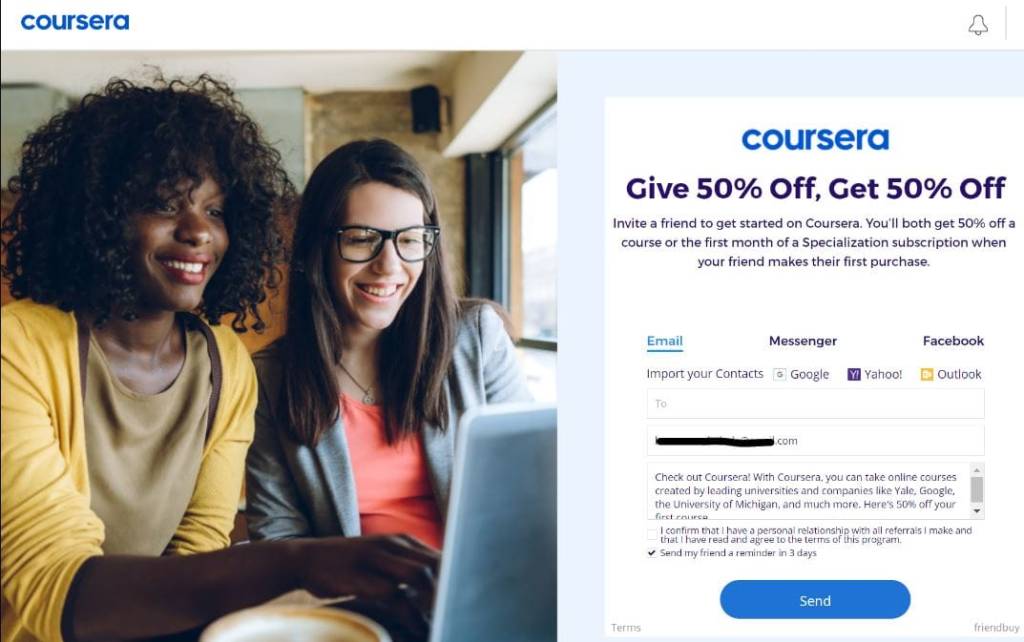
Coursera enhances enrollment in its online courses through a referral program that benefits both the referrer and the new student. Each party receives a discount when the referred individual signs up for a course, making this a compelling offer for students looking to expand their knowledge without breaking the bank. This approach not only drives new user acquisition but also increases the accessibility of education, aligning with Coursera’s mission to provide universal access to world-class learning.
Each of these examples shows how businesses can effectively use WOM and referral programs tailored to their specific industry needs and customer behaviors. By offering incentives that add real value, these companies enhance their growth, customer satisfaction, and brand loyalty, proving that when done right, WOM can significantly amplify a company’s reach and reputation.
Other Effective Strategies for Word of Mouth Marketing
Beyond referral programs, there are several other effective strategies to maximize word of mouth marketing (WOM). These techniques can amplify your brand’s voice and ensure your message resonates with your audience, prompting them to share their positive experiences. Let’s explore some of these dynamic strategies:
Leveraging Social Media Platforms
Social media is a powerhouse for encouraging and facilitating organic WOM. Platforms like Facebook, Instagram, and Twitter offer the perfect stage for customers to share their experiences.
But how can businesses encourage this?
It starts with creating engaging content that invites interaction—be it through comments, shares, or likes. Regularly engaging with your audience, responding to their queries, and appreciating their feedback can foster a community feeling. Remember, a customer who feels valued is more likely to speak positively about your brand.
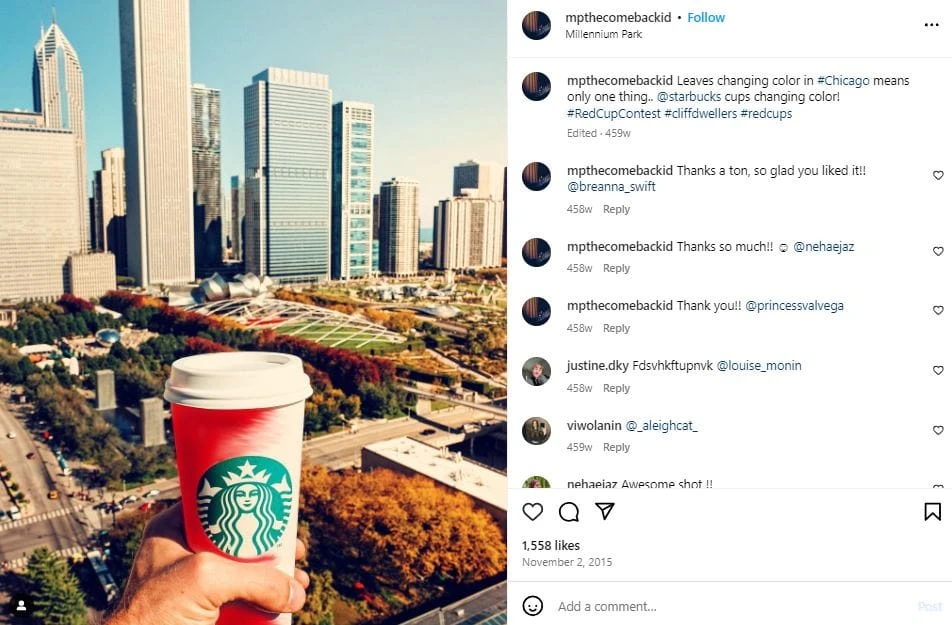
Here you can see how Starbucks uses its social media platforms extensively to engage with customers. They encourage sharing by creating interactive campaigns such as the #RedCupContest on Instagram, where customers share photos of their holiday-themed cups. This not only promotes user-generated content but also amplifies word of mouth as participants share the contest with friends and family.
Creating Shareable Content
What makes content shareable?
It’s all about the value—whether it’s entertaining, informative, or relatable. For instance, creating how-to videos, infographics that simplify complex topics, or blog posts that address common problems can motivate users to share these resources with others who might find them helpful. The key is to ensure that your content not only reflects your brand’s values but also resonates with your audience’s interests and needs.
Below you can see how Buzzfeed Tasty’s success on social media largely comes from their highly shareable food recipe videos.
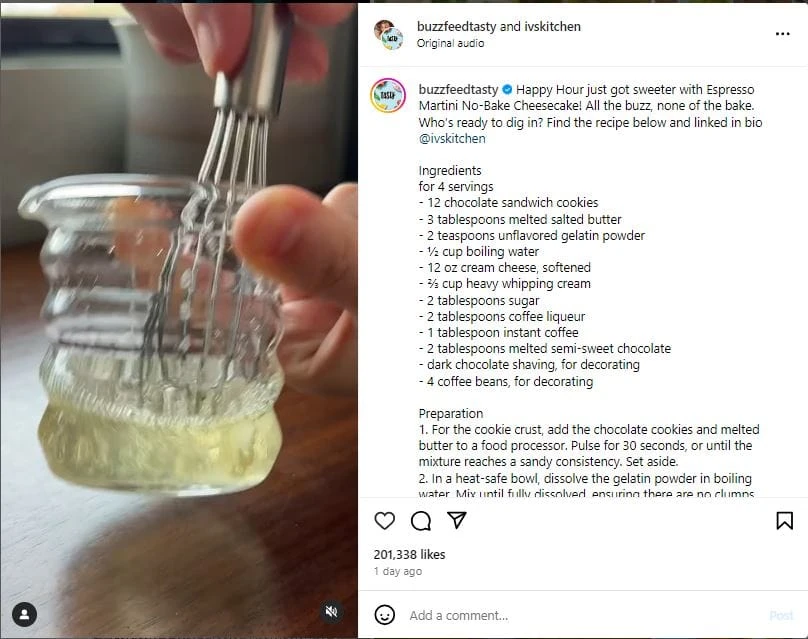
These videos are formatted specifically for easy consumption and sharing, effectively using the platform to increase reach through peer-to-peer sharing.
Engaging Influencers to Boost Credibility and Reach
Influencers have the power to significantly boost your brand’s credibility and widen your reach. When a respected influencer shares a positive review or a personal story related to your brand, their endorsement can be as powerful as that of a close friend’s recommendation. To effectively leverage influencers, choose those whose followers match your target demographic and whose values align with your brand. This authenticity will make their WOM endorsements more impactful and believable.
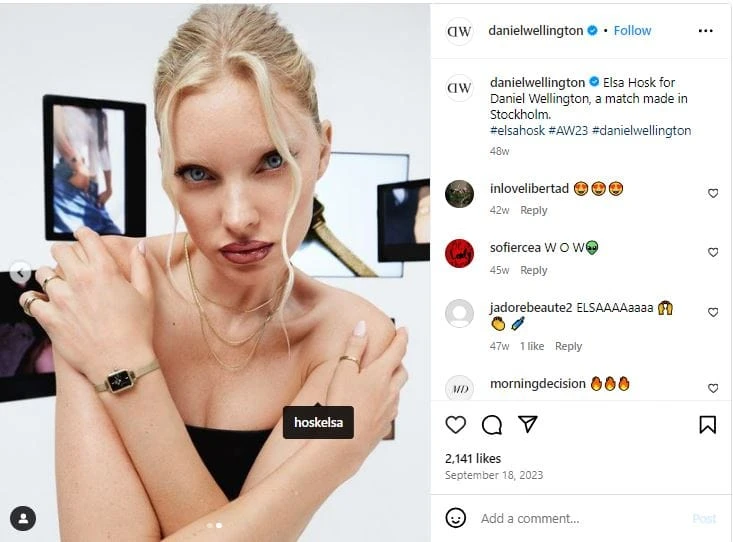
Here you can see Daniel Wellington effectively uses influencer marketing by partnering with Instagram influencers Elsa Hosk (@hoskelsa) across different tiers to showcase their watches. This strategy not only diversifies their reach but also enhances credibility, as each influencer’s endorsement serves as a personal recommendation to their followers.
Exceptional Customer Service
Outstanding customer service can transform a satisfied customer into a vocal advocate for your brand. When a customer experiences prompt, caring, and effective service, they are not only more likely to return but also likely to share their positive experience with others. This could be through word of mouth in conversations or online reviews and testimonials. Remember, stories of exceptional customer service often become viral stories shared across social media.
Zappos is well-known for its exceptional customer service, which often includes going above and beyond to satisfy customer requests. Their dedication to customer happiness turns customers into active promoters of their brand, frequently sharing their positive experiences online and offline.

Community Building and Engagement in Forums
Building a community around your brand and actively engaging in relevant forums and discussions can also stimulate WOM. This involves more than just broadcasting your messages; it’s about starting and participating in conversations that matter to your audience. Hosting webinars, participating in industry forums, and maintaining an active presence on platforms where your customers spend their time can establish your brand as a trustworthy voice in the field.
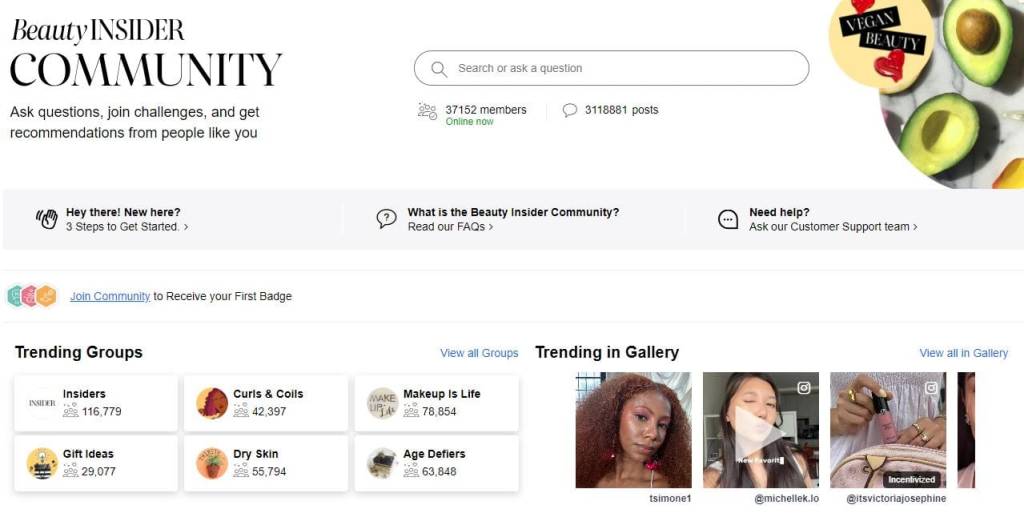
Sephora’s Beauty Insider Community allows customers to ask questions, share beauty tips, and discuss products with other beauty enthusiasts. This forum not only strengthens the community around Sephora’s brand but also encourages sharing and discussions, which can lead to increased WOM.
Each of these strategies offers a unique way to enhance WOM for your brand. By integrating them into your overall marketing strategy, you ensure that your brand not only engages with its audience in meaningful ways but also builds a robust foundation for customers to share their genuine experiences with others. This multi-faceted approach can significantly amplify the reach and effectiveness of your word of mouth marketing efforts, creating a sustainable cycle of growth and engagement.