


Introduction
It is no hidden truth that the world of SaaS industry has become quite a competitive space, referral programs are more than just a nice-to-have; they’re essential. Why?
Because people trust recommendations from friends much more than any advertisement. That’s why a good referral program can really help your business grow.
This blog is going to show you exactly how to set up a referral program that works, using Referral Rocket. Referral Rocket makes everything simpler, helping you get the most out of each referral. We’ll cover everything from picking the right rewards to making sure the program fits perfectly with your service. Ready to see how your happy customers can help bring in even more business? Let’s get started and turn your users into your top promoters.
Before that let’s first understand what a SaaS referral program really is.
Section 1: Understanding the Basics of SaaS Referral Programs
A SaaS referral program is a systematic approach where existing customers are encouraged to recommend a software service to others, often in exchange for rewards. Think of it as word-of-mouth marketing supercharged by incentives.
Why are these programs crucial for growth?
In the SaaS industry, where new competitors sprout daily and customer acquisition costs can be high, leveraging satisfied customers to spread the word is both effective and efficient. This method taps into the trust that potential customers already have in their peers, making them more likely to give the service a try based on a recommendation.
Here are the key advantages of using referral marketing programs for SaaS:
- Cost-Effectiveness: Rather than spending heavily on broad advertising, investing in referral programs focuses resources on existing customers, resulting in higher returns on investment.
- Accelerated Growth: Referral programs can rapidly expand your user base by turning current users into active promoters of your service.
- Enhanced Customer Loyalty: Users who benefit from sharing their positive experiences often feel more connected to the brand and are likely to continue using the service.
- Valuable Insights: The feedback and data collected from referral programs help companies understand customer preferences and refine their products and marketing strategies accordingly.
As we move forward, we’ll dive deeper into how you can tap into this powerful strategy with Referral Rocket, maximizing both reach and impact.
Section 2: Case Study – Avoma Referral Program
Avoma is a platform that uses AI to make meetings more productive by providing tools like transcription and actionable insights. Facing challenges like growing their customer base and keeping existing customers happy, Avoma decided to start a referral program.
They designed this program to make their current customers want to tell others about Avoma. Both the person who referred someone and the new user got perks like service upgrades or discounts, making it beneficial for everyone involved. This not only encouraged more users to join in but also helped keep the current ones around.
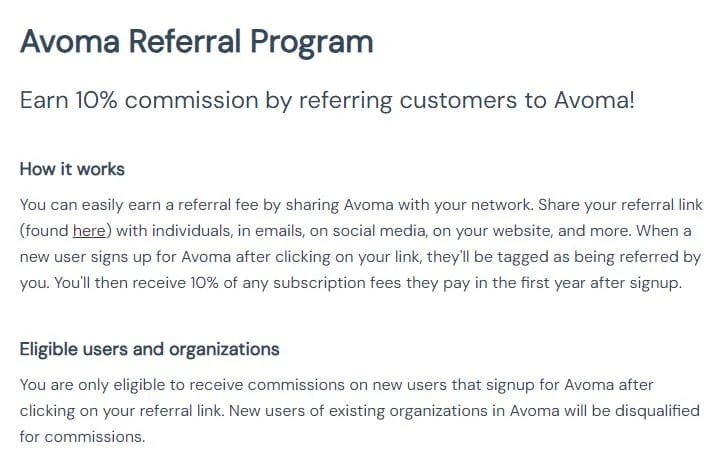
Avoma integrated this referral scheme right into their system, making it easy for users to share links through email or social media. They automated tracking and rewards, so everyone got their bonuses smoothly and on time.
The outcome was great—more customers signed up, costs went down, and people stuck around longer. Avoma’s approach shows how effective it can be to turn happy customers into advocates, especially in the tech world where personal recommendations are gold.
View other top SaaS referral program examples.
Section 3: Choosing the Right Referral Platform
Selecting the right platform to manage your referral program is like picking the best tool for a job—it can make all the difference in your success. For SaaS companies, the stakes are high because their growth largely depends on acquiring new customers efficiently and retaining them. A good referral platform not only streamlines this process but also ensures that both the referrer and the referred have a smooth, enjoyable experience that encourages ongoing engagement.
Referral Rocket stands out as a particularly strong choice for SaaS businesses. Here’s why:
- Ease of Use: Referral Rocket is designed to be user-friendly, ensuring that anyone from tech-savvy developers to business owners can easily set up and manage their referral programs without needing specialized knowledge.
- Advanced Tracking and Analytics: The platform offers comprehensive tracking capabilities that allow businesses to monitor detailed metrics about their referral programs. This means you can see not just how many referrals are being made, but also how they convert, helping you fine-tune your program to maximize effectiveness.
- Customization Options: Referral Rocket provides extensive customization options, allowing businesses to tailor the look and feel of their referral programs to match their brand. This customization extends to the types of rewards offered, the conditions under which they’re given, and how they’re communicated to participants.
- Reliable Customer Support: Good customer support is crucial, especially when you’re running a program that’s as vital to your business growth as a referral program. Referral Rocket offers robust support to ensure any issues are quickly resolved, keeping your program running smoothly.
Choosing Referral Rocket means not just launching a referral program but ensuring it’s a powerful, integrated tool in your marketing arsenal, built to engage your current users and attract new ones effectively.
Section 4: Step-by-Step Setup with Referral Rocket
Step 1: Account Setup
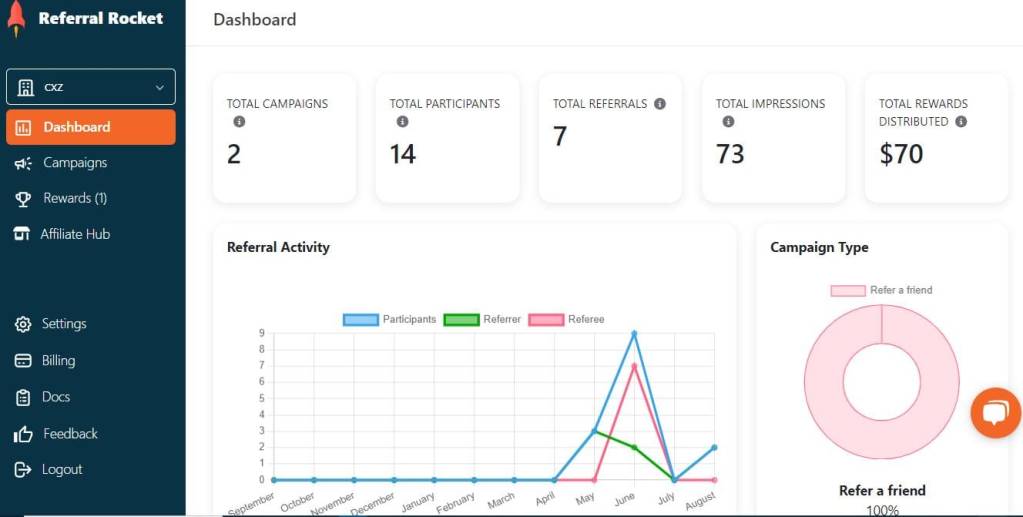
Imagine a hypothetical SaaS company, Let’s say, “CloudCom,” which provides cloud storage solutions. The first thing CloudCom does is set up an account on Referral Rocket. To do this, they visit the Referral Rocket website and sign up by providing necessary details like their business email, name, and company information. Once the account is created, they log in and are introduced to the dashboard. This dashboard is the command center where they can view different metrics related to their campaigns, manage settings, and access support materials.
Step 2: Campaign Creation
Now, CloudCom needs to create a new campaign. They navigate to the ‘Campaigns’ section on the dashboard and click on ‘Create New Campaign’. They select the “Refer a Friend” campaign type because it suits their goal to leverage existing customers to gain new ones.

During the setup, they choose a double-sided reward structure—meaning both the referrer and the referred get rewards, which in this case, could be extra storage space.
After that they set the campaign name “CLOUDCOM REFERRALS” and set the campaign’s duration to three months to assess its initial impact. CloudCom opted for self hosting this campaign on their website.

Step 3: Customization of Referral Program
CloudCom then fills in the necessary details for their referral program. They add an enticing program header, “Share and Store More,” and a detailed description explaining how the referral works. For rewards, they decide referrers will receive 5GB of extra storage, and new sign-ups will get 3GB upon joining. To make the referral widget blend with their website’s design, they customize it with their brand colors, upload their logo, and choose fonts that align with their brand identity.

Step 4: Integrating the Referral Widget
The next step for CloudCom is integrating the Referral Rocket widget into their SaaS application. This involves a bit of web development. They use the HTML and JavaScript code provided by Referral Rocket to embed the widget directly into the user account section of their cloud storage platform. They want their logged in users to see their unique referral link within the app. This is possible using Referral Rocket.
Example of integration code:
https://blogs.referralrocket.io/widget/widgetIndex.js

<div class="referral_widget" campaign-id="12345" email="user@email.com" first-name="John"></div>
Step 5: Launching the Program
With the referral program set up and integrated, CloudCom is ready to launch. They activate the campaign with a single click within the Referral Rocket dashboard. To promote the new referral program, they send out an announcement email to their existing user base, post about it on their social media channels, and even consider running targeted ads. The marketing message highlights the benefits of participating in the referral program, focusing on how both referrers and referees can earn extra storage simply by sharing with friends.

CloudCom watches the initial uptake and prepares to make adjustments based on early feedback. They plan to monitor the performance closely using Referral Rocket’s analytics tools, ready to tweak elements like reward structure or promotion tactics to improve the program’s effectiveness.
By following these steps, CloudCom not only sets up their referral program but also integrates it deeply within their user experience, optimizing for visibility and engagement. This structured approach ensures that the referral program is a key component of their growth strategy, designed to attract new users while enhancing the experience for existing customers.
Section 5: Monitoring and Optimizing Your Referral Program
Once your referral program is up and running with Referral Rocket, the next crucial step is to monitor and optimize its performance. This ensures that your efforts are not only effective but also continuously improving. Here’s how you can use Referral Rocket’s tools to keep your program in top shape:
Monitoring Performance with Analytics Tools
Referral Rocket provides robust analytics tools that help you track everything from the number of referrals to conversion rates and overall program impact. For instance, if CloudCom reviews their dashboard and finds that while referrals are high, the conversion rate is lower than expected. This data will become vital as it indicates where the program might be faltering and where it’s succeeding.
You should regularly check metrics such as:
- Referral counts: How many referrals are being made?
- Conversion rates: How many of these referrals turn into paying customers?
- Reward redemption rates: Are the rewards compelling enough for users to claim them?
Optimizing Based on Data
With the insights you gain from Referral Rocket’s analytics, you can start making informed decisions to optimize your referral program:
- Adjusting Rewards: If the data shows that rewards are not being claimed, perhaps they are not attractive enough, or the criteria might be too stringent. Adjusting these can make your program more appealing.
- Improving Widget Placement: If users are not engaging with the referral widget, you might consider moving it to a more prominent place within your application, or tweaking its design to make it more noticeable.
For example, if CloudCom finds that most users aren’t noticing the referral widget on the account settings page, they might move it to the dashboard homepage or highlight it with a pop-up notification during the user’s first login post-launch.
Iterative Improvements
Referral marketing is not a ‘set and forget’ strategy. It’s about making continuous improvements. Regularly updating the program based on user feedback and performance metrics keeps the referral program fresh and engaging. For instance, seasonal themes for rewards or limited-time boosts in rewards can reignite interest and participation in the program.
By keeping a close eye on how your referral program performs and being ready to make changes, you ensure that your referral strategy adapts to meet your users’ needs and your business goals. This proactive approach helps maximize the effectiveness of your referral marketing efforts, making your SaaS platform more dynamic and customer-focused.
Section 6: Best Practices and Common Pitfalls
When running a SaaS referral program, a few best practices can ensure its success, while avoiding common pitfalls will keep you on track. Here’s a quick guide:
Best Practices:
- Regularly Communicate: Keep your users informed about program updates, reward changes, and success stories to keep the program top of mind.
- Simplify the Sharing Process: Make sure the referral process is as easy as possible. The fewer steps, the better, as complexity can deter participation.
- Offer Compelling Incentives: Rewards should be attractive enough to motivate users to participate. They should also be relevant to both your users and the goals of your program.
Common Pitfalls to Avoid:
- Neglecting User Feedback: Ignoring feedback can lead to a disconnection between what users want and what the program offers. Regularly gather and act on feedback to enhance the program.
- Inadequate Tracking: Without proper tracking, you won’t know what’s working. Ensure your referral platform can effectively track all aspects of the referral process.
- Letting the Program Stagnate: The market changes, and so do user preferences. Regularly update and refresh the program to keep it engaging and effective.
By following these guidelines and staying vigilant against these pitfalls, you can ensure that your SaaS referral program remains a valuable asset for driving growth and enhancing customer loyalty.