

“Think of referral marketing as your business’s secret weapon for growth.” If you’ve been keeping up with our discussions on this topic, you already understand how powerful it can be to have your happy customers spread the word about your business.Yet, the real challenge lies in picking the right kind of referral program to supercharge your growth.
In this blog post, we’re diving deeper into the world of referral programs. We’ll help you navigate through the different types, from the simplicity of single-sided rewards that quickly bring in new customers, to double-sided programs that build lasting loyalty. Choosing the right program is crucial, not just because it’s effective, but because it’s a major driver of long-term success.
We’ll break down the benefits of each type of program and showcase real examples that highlight their impact. By the end of this post, you’ll have the insights you need to evaluate, select, and roll out a referral strategy that perfectly matches your business goals and boosts your marketing efforts.
Let’s get started!
Section 1: Understanding Referral Marketing
What exactly is referral marketing?
Simply put, it’s a tactic that businesses use to encourage their current customers to recommend their products or services to friends and family. This strategy taps into the power of word-of-mouth, which is often more trusted and influential than traditional advertising. As Mark Twain famously said, “There is no advertisement as powerful as a positive reputation travelling fast.”
To understand the referral marketing concept in detail we recommend you to read our previous blog on what referral marketing is.
Why should businesses care about referral marketing?
The benefits are compelling. Referral marketing not only helps you acquire new customers at a lower cost but also boosts your brand’s credibility. Customers brought in through referrals often stay longer and spend more. This makes sense, right? After all, we’re more likely to take a recommendation from a friend than respond to an ad.
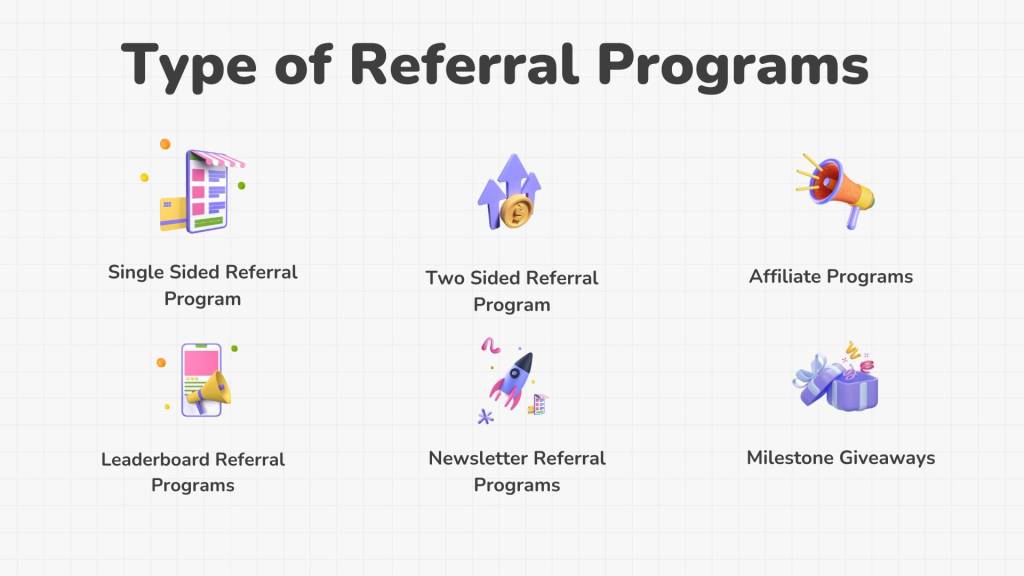
Let’s explore the types of referral programs:
- Single-Sided Referral Programs: These reward only the referrer, making it simple and straightforward. Think of it as saying “thanks” to your customers for bringing their friends.
- Double-Sided Referral Programs: Both the referrer and the referred get rewards. It’s a win-win that strengthens the bond between your brand and its customers.
- Affiliate Programs: These are more formal agreements where ‘affiliates’ earn commissions for promoting your product. It’s like having an army of salespeople, but you only pay them when they deliver results.
- Leaderboard Referral Programs: Add a dash of competition by ranking referrers and offering bigger prizes to top performers. It’s perfect for those who love a good challenge.
- Milestone Giveaways: Reward referrers when they hit specific referral milestones. It’s a great way to keep the momentum going.
- Newsletter Referral Programs: Encourage your subscribers to refer others to sign up for your newsletter. Rewards can vary from exclusive content to special discounts, making it attractive for readers to share with their network.
By understanding these types, businesses can advance their approach to fit their specific needs and goals. Whether you’re a small startup or a large enterprise, choosing the right type of referral program can significantly impact your growth. So, how will you leverage the “referral marketing definition” to benefit your business? Let’s keep diving deeper to find out which type fits you best!
Section 2: Types of Referral Programs Explained
2.1 Single-Sided Referral Programs
Have you ever told a friend about a great product and got a little something as a thank you from the brand? That’s the essence of single-sided referral programs. In these programs, only the person who makes the referral—the referrer—receives a reward. Simple, right?
Why should businesses use single-sided referral programs?
- Simplicity: These programs are straightforward and easy to implement, making them an excellent choice for businesses new to referral marketing.
- Cost-Effectiveness: By rewarding only the referrer, businesses can manage their costs more effectively while still driving new customer acquisitions.
- Quick Impact: They are ideal for quickly expanding a customer base, as they encourage existing customers to actively promote the brand.
When is the best time to use single-sided referral programs?
- Early Growth Stages: Particularly useful for startups and new businesses looking to build their customer base rapidly.
- Limited Budgets: When resources are scarce, these programs offer a more manageable approach to marketing spend.
- Trial Phases: Perfect for testing the effectiveness of referral strategies without extensive commitments.
Who typically uses these programs?
- Tech Startups: Often use single-sided referrals to encourage app downloads or platform sign-ups by offering perks such as premium features.

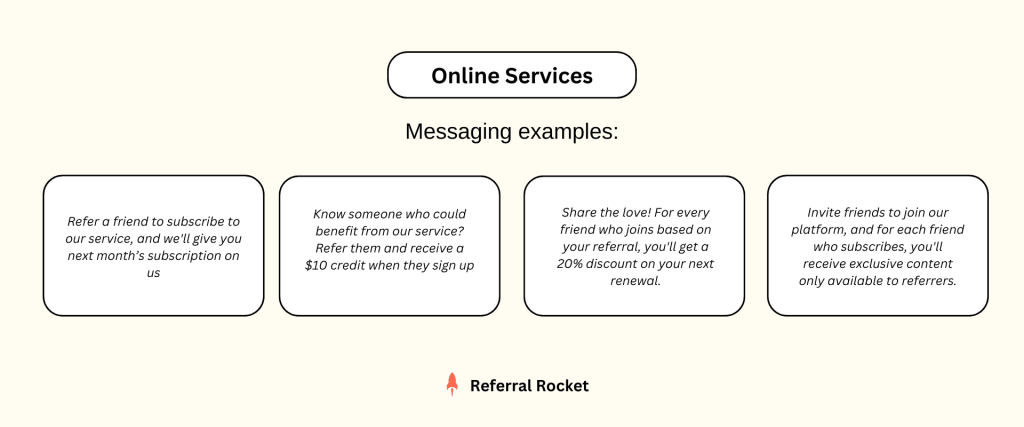
- Online Services: Companies providing online services utilize these programs to incentivize users for bringing in new subscribers.
- Retail and E-commerce: Online stores may offer discounts or special offers to customers who refer friends who make a purchase.

A real-life example: Eventbrite.
Eventbrite, a global platform for live events, implemented a single-sided referral program where existing customers could earn a $10 reward for every new user they brought in who made a purchase. Designed like an affiliate offer, this program aimed to increase ticket sales by incentivizing users to promote events. However, this approach faced challenges. It turned out to be less effective than double-sided programs, mainly because it changed the social dynamics of sharing. Customers were less enthusiastic about earning money off their friends, preferring a model that also provided benefits to the newcomers. This feedback was crucial for Eventbrite and underscored the importance of aligning referral incentives with customer preferences and the company’s community-focused brand identity.

2.2 Double-Sided Referral Programs
Double-sided referral programs are a win-win for everyone involved. In this type of program, both the person who makes the referral and the person who is referred receive rewards. It’s about sharing the benefits and growing together, making the referral process feel more like a mutual benefit rather than a one-sided favor.
Why Businesses Should Use Double-Sided Referral Programs:
- Enhanced Engagement: Offering rewards to both parties boosts participation rates, as it feels more equitable and encourages both referrers and their friends to engage.
- Increased Trust: When both the referrer and the referred benefit, it builds trust in your brand and strengthens relationships with customers.
- Higher Conversion Rates: Double-sided incentives can lead to higher conversion rates, as potential new customers feel they have something tangible to gain right from the start.
When to Use Double-Sided Referral Programs:
- Building Brand Loyalty: These programs are great for businesses looking to build or enhance customer loyalty and retention.
- Market Expansion: Ideal for when you’re entering a new market or demographic and want to spread the word quickly and effectively.
- Boosting User Base: Particularly effective for services or platforms where increased user base directly correlates with increased value of the service.
Applicable Industries and Specific Use Cases:
- E-commerce: Online retailers can offer discounts or credits on future purchases to both the referrer and the referred.

- Financial Services: Banks and financial platforms can give cash bonuses or reduced fees for both parties involved.

- Subscription Services: Streaming and subscription services can provide a month free or other perks to both existing and new subscribers.

Real-Life Example: Gusto
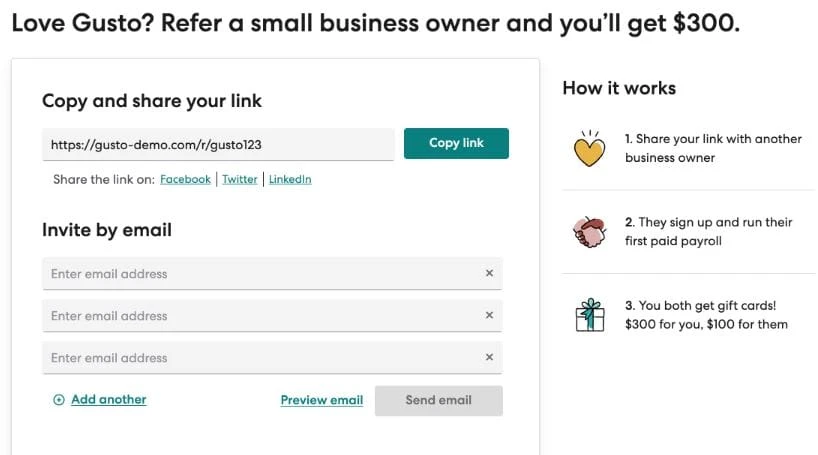
Gusto, a company that provides cloud-based payroll, benefits, and human resource management software for businesses, runs an effective double-sided referral program. Both the referrer and the referred friend benefit substantially: the referrer receives a $300 gift card, and the friend gets a $100 gift card when the friend signs up and runs their first payroll. This straightforward and engaging strategy not only highlights the value of Gusto’s platform but also fosters a strong sense of community and mutual benefit. The result? Increased user engagement and enhanced loyalty to Gusto’s services, demonstrating how effective double-sided referral programs can be in promoting growth and satisfaction.
2.3 Affiliate Programs
Affiliate programs are a sophisticated type of referral marketing where businesses partner with individuals or other companies (affiliates) who promote their products or services. In return, affiliates earn a commission for each sale or specific action completed through their referral link. It’s like having an army of marketers, but you only pay them based on their success.
Why Businesses Should Use Affiliate Programs:
- Cost-Effective Marketing: Since affiliates are paid based on performance (such as a sale or lead generation), it minimizes financial risk and ensures you pay only for effective results.
- Extended Reach: Affiliates can help reach new audiences across different markets and demographics, often more extensively than a business could achieve on its own.
- Scalability: You can start small and scale up easily, adjusting commission rates and terms as your program grows and evolves.
When to Use Affiliate Programs:
- Launching New Products: Ideal for introducing new products to the market, as affiliates help create buzz and drive initial sales.
- Expanding into New Markets: When entering new geographical areas or targeting new customer segments, affiliates who are already established in these markets can be invaluable.
- Boosting Seasonal Sales: During peak shopping seasons or specific promotional periods, affiliates can drive significant traffic and sales.
Applicable Industries and Specific Use Cases:
- E-commerce: Online stores benefit immensely, as affiliates can promote a wide range of products through blogs, reviews, and social media.

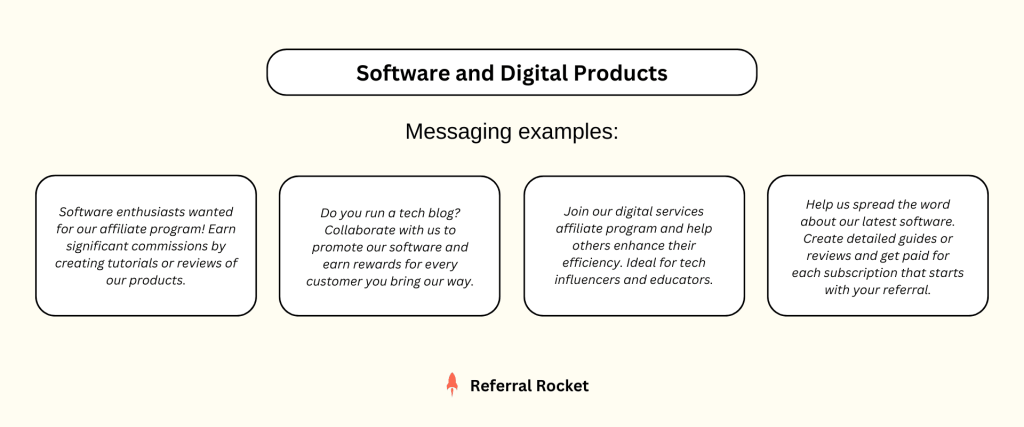
- Software and Digital Products: Companies selling software or digital services can use affiliates to promote their products through tutorials, reviews, and tech blogs.
- Travel and Hospitality: Hotels, airlines, and travel agencies can partner with travel bloggers and influencers to reach more vacation and business travellers.

Real-Life Example: Amazon Associates Program
Amazon, one of the largest e-commerce platforms globally, operates the Amazon Associates Program, which is among the most successful affiliate programs in the world. The program allows website owners, bloggers, and influencers to create links and earn referral fees when customers click through and buy products from Amazon. It’s a win-win: affiliates earn money for contributing to sales, and Amazon increases its reach and sales volume without upfront advertising costs.

- The goal was to maximize market penetration and leverage diverse web content to drive sales effectively.
- Affiliates use customized linking tools to direct their audience to Amazon, and they earn from qualifying purchases. Amazon provides them with a wide range of linking options, from simple text links to widgets and full-fledged store setups.
- The Amazon Associates Program has seen tremendous success, contributing significantly to Amazon’s overall sales. The program benefits from high conversion rates due to Amazon’s strong brand trust and customer service. Additionally, it helps content creators monetize their traffic, which in turn encourages them to produce more Amazon-focused content, perpetuating a cycle of growth and profit.
This model showcases the powerful synergy between a company and its affiliates, demonstrating how strategic partnerships can mutually enhance growth and market presence.
2.4 Leaderboard Referral Programs
Leaderboard referral programs add a competitive twist to traditional referral strategies by ranking participants based on their referral success. This type of program motivates participants to not only engage in referrals but to excel at them, turning the process into a dynamic and engaging contest.
Why Businesses Should Use Leaderboard Referral Programs:
- Boosted Engagement: Introducing competition into referral programs can significantly increase participation rates, as people are driven by the desire to rank higher on the leaderboard.
- Enhanced Visibility: Such programs often encourage participants to share their progress on social media, thereby increasing the brand’s exposure organically.
- Sustained Activity: The ongoing nature of leaderboard contests keeps participants actively engaged over longer periods compared to one-off referral programs.
When to Use Leaderboard Referral Programs:
- When Launching New Products: Great for creating buzz and driving quick adoption through a concentrated burst of referrals.
- To Re-energize Your Base: Useful for re-engaging existing customers or users who might have decreased their interaction with the brand.
- During Specific Marketing Campaigns: Particularly effective during holiday seasons or special promotional periods when consumer engagement is critical.
Applicable Industries and Specific Use Cases:
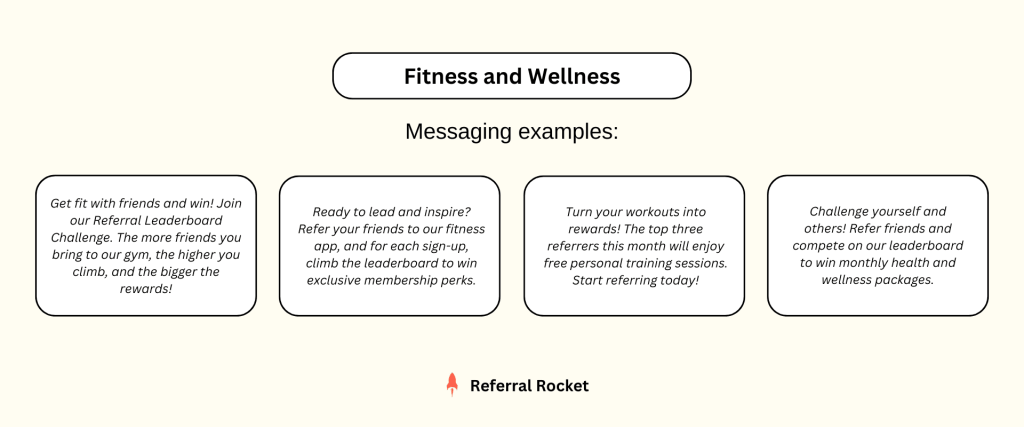
- Fitness and Wellness: Fitness apps or gyms can use leaderboard challenges to encourage members to refer friends and family, promoting both membership growth and community engagement.
- Gaming and Apps: Mobile apps and games can integrate leaderboard referral programs to enhance user acquisition and retention, offering in-game rewards or premium features.

- Sales and Services: Companies in the sales sector can employ leaderboards to incentivize their sales teams to generate and convert leads through referrals, rewarding top performers with bonuses or other incentives.

Real-Life Example: Starbucks

Starbucks utilized a leaderboard referral program within their mobile app to drive engagement and encourage app usage. The program allowed users to earn stars for each new customer they referred who then made their first purchase via the app. The more referrals they made, the higher they climbed on a public leaderboard.

- Participants competed for top spots, which offered rewards like free drinks for a month or exclusive merchandise. The program was integrated directly into the Starbucks app, enhancing its visibility and ease of use.
- The referral program significantly boosted the app’s user base and overall customer engagement. It not only incentivized current users to bring in new customers but also fostered greater loyalty as users engaged more with the app. The competition added a fun, engaging element that increased social media buzz and helped sustain the program’s momentum.
This approach demonstrated how Starbucks effectively harnessed the competitive nature of a leaderboard program to enhance user interaction and expand their digital platform’s reach.
2.5 Milestone Giveaways
Milestone giveaways in referral programs are designed to reward participants as they reach specific referral thresholds, turning the process into a rewarding journey. Each milestone achieved unlocks a new reward, creating continuous motivation and engagement from the referrer.
Why Businesses Should Use Milestone Giveaways:
- Incremental Engagement: By rewarding users at various stages, businesses can keep participants engaged over a longer period, enhancing their involvement with the brand.
- Scalability: These programs can start with smaller rewards and scale up as referrers hit higher targets, making them cost-effective and manageable.
- Reinforced Loyalty: As participants earn more significant rewards, their loyalty to the brand deepens, potentially turning them into brand ambassadors.
When to Use Milestone Giveaways:
- Building Long-term Engagement: Ideal for businesses looking to maintain ongoing customer engagement rather than a one-time interaction.
- When Launching New Products: Can be effectively used to create buzz around a new product by encouraging existing customers to spread the word.
- Seasonal Promotions: Perfect for driving engagement during specific seasons or alongside major marketing campaigns.
Applicable Industries and Specific Use Cases:
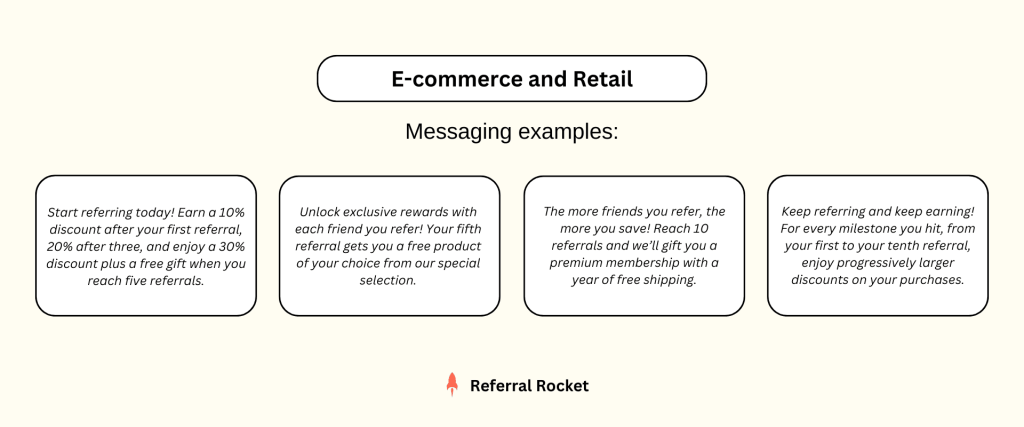
- E-commerce and Retail: Online stores can offer progressively better discounts or free products as customers reach new referral milestones.
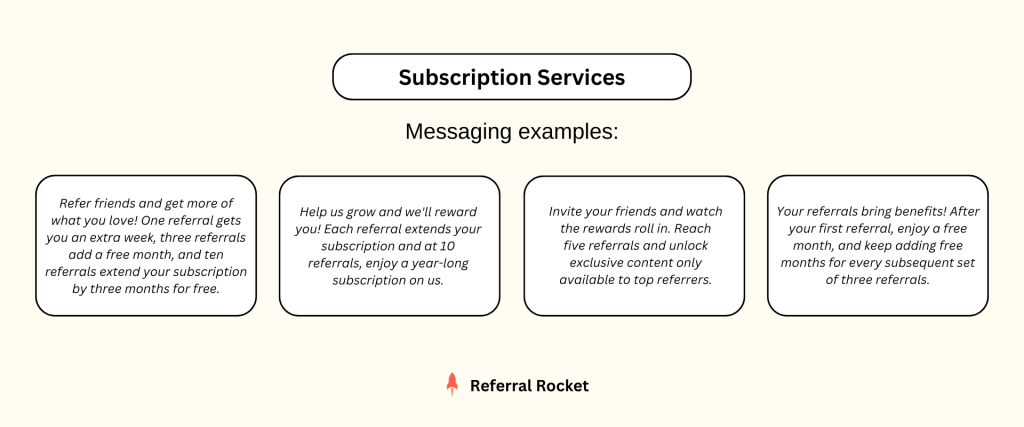
- Subscription Services: Companies like streaming services or software providers can offer tiered benefits such as extended trial periods or free months of service.
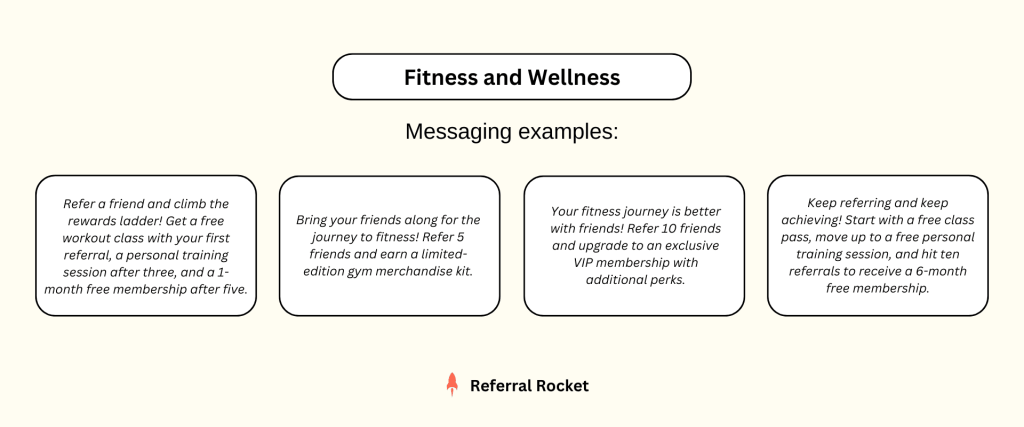
- Fitness and Wellness: Gyms and health apps might offer merchandise, free classes, or membership upgrades as milestone rewards.
Real-Life Example: Harry’s
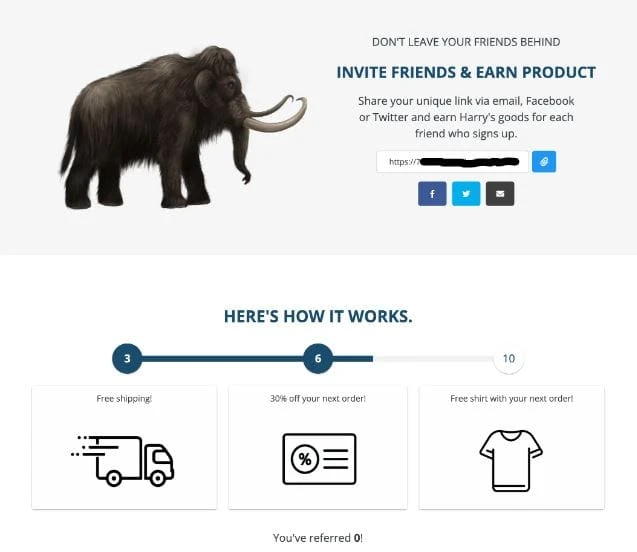
Harry’s, a company known for its quality grooming products, utilized milestone giveaways to great effect in its referral program. They structured their campaign to incentivize both the quantity and quality of referrals.
- Harry’s sells high-quality razors and men’s grooming products directly to consumers.
- The aim was to increase brand awareness and expand their customer base through word-of-mouth.
- Harry’s designed a referral program where customers would receive different rewards as they hit referral milestones. For example, referring to one friend might earn a free shaving cream, while ten referrals could earn a complete grooming kit.
- The milestone program was a success, leading to increased customer engagement and a significant rise in new customer acquisition. It helped Harry’s not only to boost sales but also to establish a strong, loyal community of customers who were eager to spread the word in exchange for attractive rewards.
Harry’s approach shows how milestone giveaways can be a powerful tool in fostering customer loyalty and driving sustained engagement, particularly when the rewards are well-aligned with the interests and needs of the target audience.
2.6 Newsletter Referral Programs
Newsletter referral programs are a strategic approach to expand the reach of your email content by incentivizing current subscribers to invite others to sign up. This type of program harnesses the power of personal recommendations to grow your subscriber base, which is crucial for any content-driven business.
Why Businesses Should Use Newsletter Referral Programs:
- Cost-Effective Growth: Expanding your newsletter audience through referrals is typically more cost-effective than acquiring subscribers through paid advertising.
- Enhanced Trust: Recommendations from friends or colleagues can significantly boost the perceived credibility of your content.
- Increased Engagement: Subscribers who join through a referral are often more engaged, as they have a personal connection to an existing member.
When to Use Newsletter Referral Programs:
- To Boost Subscriber Numbers: Ideal when you’re looking to quickly increase your audience size, especially in preparation for major launches or events.
- Enhancing Brand Loyalty: Effective for deepening relationships with current subscribers by offering them rewards for bringing in new readers.
- During Content-Driven Campaigns: Particularly useful when you have special content or series that you want to promote widely.
Applicable Industries and Specific Use Cases:
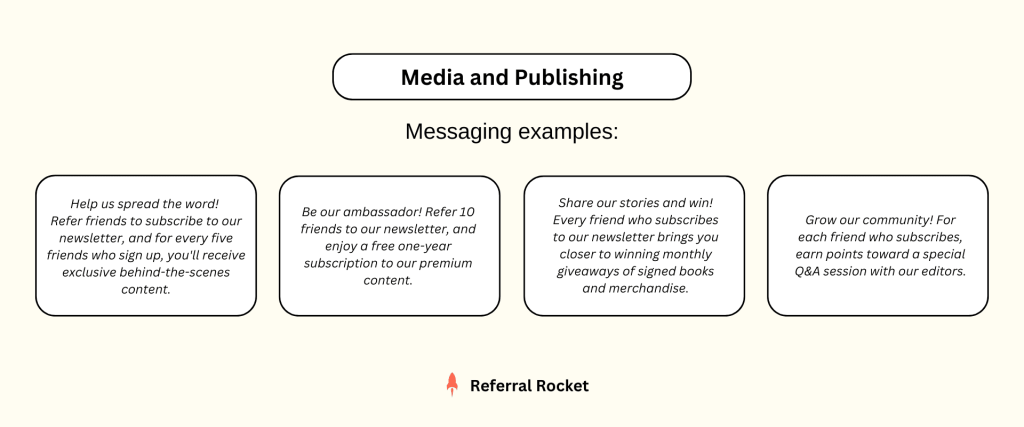
- Media and Publishing: Publications can grow their readership and, consequently, their advertising revenue.
- E-commerce: Online retailers can use newsletters to drive repeat sales and can incentivize referrals to boost their marketing reach.

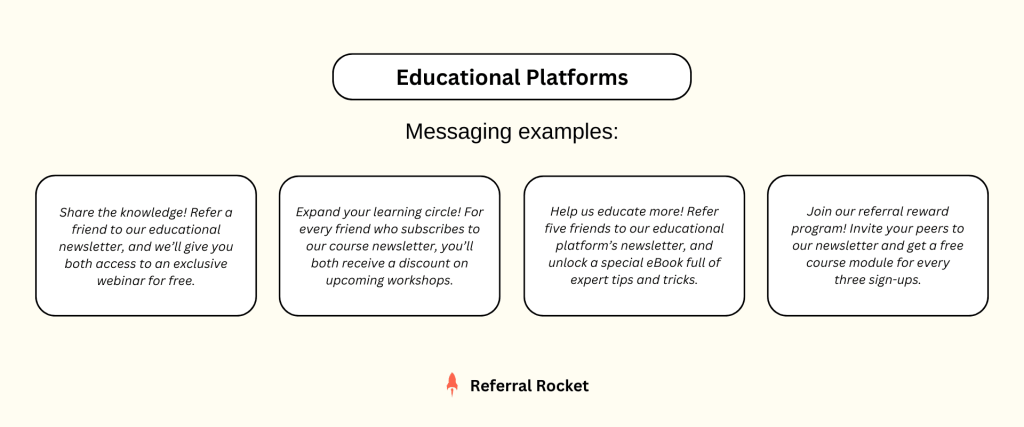
- Educational Platforms: Courses and workshops can increase enrollment through targeted newsletters offering specialized content.
Real-Life Example: Morning Brew
Morning Brew is a daily email newsletter that delivers a blend of business and finance news in a concise, conversational format. Recognizing the potential of referral marketing, they implemented a newsletter referral program that became a cornerstone of their audience development strategy.
- Morning Brew quickly became popular for its engaging style and relevant content, appealing especially to young professionals.
- To exponentially increase their subscriber base and enhance reader engagement.
- Morning Brew incentivized its current readers to refer new subscribers by offering tiered rewards. These rewards included branded merchandise, exclusive content, and access to special events, depending on the number of successful referrals.

- The referral program was highly successful, significantly contributing to the newsletter’s rapid growth. It helped Morning Brew expand its subscriber base from a few thousand to over two million in a short period. The strategy not only increased the number of subscribers but also boosted the overall engagement with the daily content, as referred subscribers tended to be highly active and loyal readers.
This example from Morning Brew showcases how effectively a newsletter referral program can leverage existing subscribers to fuel growth and build a deeply engaged community around a brand’s content.
Section 3: How to Choose the Right Referral Program
Selecting the right referral program is key to its success and how well it fits with your business goals. Here’s a straightforward guide to picking the best referral approach:
- Assessing Business Needs and Goals: Start by figuring out what you want to achieve with your referral program. Do you want more people to know about your brand, increase sales, or keep customers coming back? Your goals will help you decide which type of referral program to use.
- Aligning Business Objectives with the Type of Referral Program: Each type of referral program serves a different purpose. For example, if you want quick growth, consider a single-sided referral program. If building a loyal community matters more, think about a double-sided program.
- Knowing Your Audience: It’s crucial to know who your customers are. What motivates them? What do they care about? This knowledge helps you tailor your referral program to fit their preferences.
- Importance of Understanding the Target Market: Adapting your referral program to match your audience’s preferences boosts its chances of success. This might mean choosing specific rewards or ways of communicating that resonate best with them.
- Analyzing the Competition: Check out the referral programs your competitors are running. What’s working for them? How can you make your program stand out? Learning from the competition can give you useful ideas.
Section 4: Implementing Your Chosen Referral Program
After choosing your referral program, the next step is to set it up properly. Here’s how to get started:
- Steps to Set Up a Referral Program: First, clearly outline the rules of your program, decide on the rewards, and how they will be given out. Make sure the process for referrals and claiming rewards is easy to understand and follow.
- Technical and Strategic Aspects of Launching a Referral Program: Use the right tools and software to keep track of referrals and manage rewards. Integrating this with your existing customer systems can make things smoother and ensure accuracy.
- Choosing and Offering the Right Incentives: Your rewards should be attractive enough to get people interested in participating. They should also be sustainable for your business. It’s a good idea to keep testing different rewards to see what works best and take feedback from participants to improve your offerings.
- Measuring and Optimizing Referral Programs: Keep an eye on how well your referral program is doing. Check things like how many people are taking part, how many new customers you’re getting, and whether it’s giving you a good return on investment. Use tools that help you track these details and adjust your program as needed to make it better.
Setting up and running a referral program can be an ongoing project that needs regular updates and tweaks. But with the right planning and tools, it can greatly boost your marketing efforts and help you meet your business goals.
Referral Rocket provides a great tool to create and run referral and affiliate programs.
Conclusion
Choosing the right referral program is crucial for fueling your business growth. As we’ve explored, each type of referral program serves different business needs and goals. Whether it’s boosting brand awareness, increasing sales, or building customer loyalty, the effectiveness of your strategy hinges on how well it aligns with your audience’s preferences and the competitive landscape.
We encourage you to carefully assess your business needs, understand your target audience deeply, and consider what your competitors are doing. By doing so, you can leverage referral marketing not just as a tool, but as a powerful engine for sustainable growth.