
Let’s be honest: cash isn’t always king.
Sometimes the best way to get people talking about your brand isn’t with dollar signs, but with status, experience, and meaning. Think about it—when was the last time you raved to a friend about a company because they gave you $10 referrals reward? Probably never.
But what if they made you feel like an insider, featured you on their Instagram, or surprised you with early access to their newest product? Now that sticks.
In today’s economy, where trust is currency and attention spans are shorter than ever, smart brands are turning to non-monetary rewards to build lasting, high-impact referral programs. Why? Because these rewards tap into something deeper: identity, recognition, belonging, and that little hit of dopamine we all get when we feel special.
So let’s dig into 10 real-life, creative non-cash rewards you can use to get more referrals without breaking the bank.
Why Non-Monetary Rewards Work (And Sometimes Even Better Than Money)?
Enhanced Brand Loyalty
People may refer you once for a cash reward. But will they keep shouting your name if the payments stop? Offering unique experiences or recognition fosters a stronger emotional bond between the customer and the brand.
They’re often more cost-effective
Handing out $10 per referral adds up. But giving someone a spotlight on your Instagram? Free and powerful. Creating exclusive content? Scalable. Non-monetary rewards let you stretch your budget without losing value.
They avoid the “overjustification effect”
This is a fancy term from psychology that basically says: if you only give someone money for doing something they already enjoy, they’ll eventually do it only for the money—and lose that internal drive. In other words, too much cash can actually kill motivation.

10 Creative Non-Monetary Rewards to Drive Referrals
1. Exclusive Access to New Products or Services
Offering customers early access to new products or services makes them feel valued and part of an exclusive group. This strategy not only incentivizes referrals but also provides companies with valuable feedback before a full launch.
Example: Tesla’s Referral Program
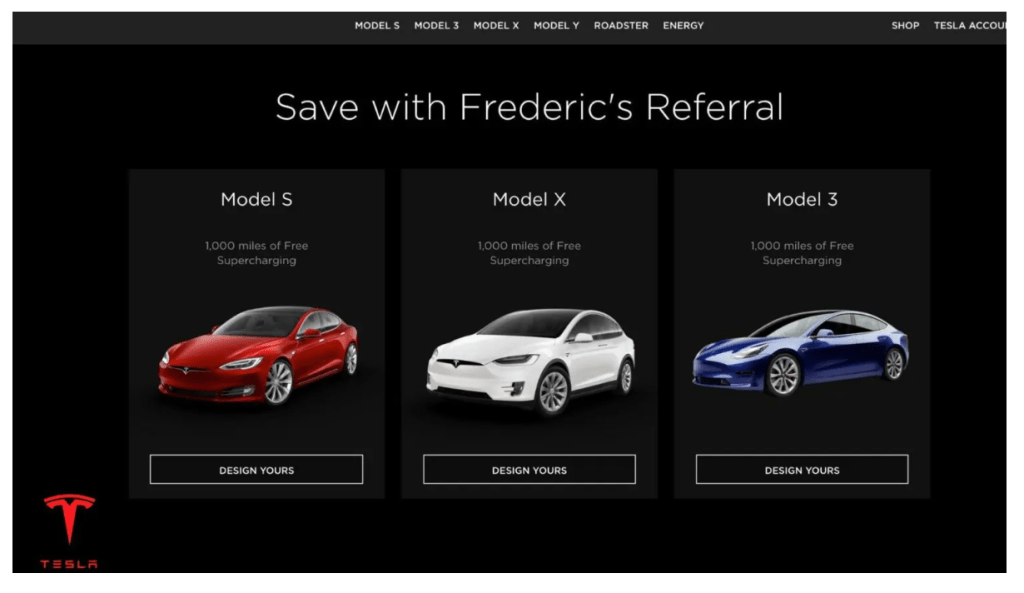
Tesla’s referral program has been a game-changer in the automotive industry. For instance, top referrers were allowed to purchase limited-edition vehicles before the general public. This approach not only boosted sales but also strengthened customer loyalty.
2. VIP Membership or Status
Creating a tiered membership system where referrers can achieve VIP status encourages ongoing engagement. Benefits might include priority customer service, invitations to special events, or personalized offers.
Example: Sephora’s Beauty Insider Program

Sephora’s “Beauty Insider” program offers members exclusive perks such as early access to products, special promotions, and invitations to VIP events. This sense of exclusivity motivates customers to refer friends to join the program, enhancing customer acquisition and retention.
3. “Power Referrer Portfolio” – A Public Page Showcasing Their Influence
(🧠 Suggested by Referral Rocket)
Instead of the usual badge or shoutout, why not build your referrers their own personal portfolio page hosted on your site? It could show:
- How many people did they refer
- Their “referrer rank” globally
- Customer testimonials they influenced
- A running tally of the impact they’ve had

Let them use it as social proof on LinkedIn, resumes, or when pitching themselves as creators or marketers.
4. Charitable Donations in the Referrer’s Name
Aligning your referral program with social causes by donating to a charity of the referrer’s choice can resonate deeply, especially with socially conscious consumers.
Example: Patagonia’s “1% for the plants”
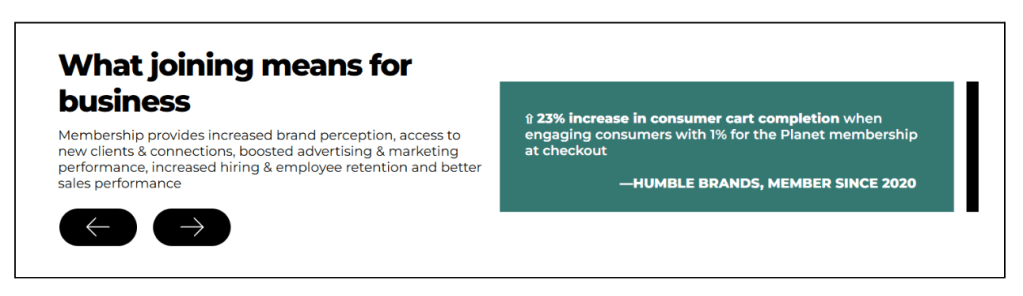
Outdoor clothing brand Patagonia encourages customers to refer friends by pledging to donate a portion of sales to environmental causes. This approach appeals to their eco-conscious customer base and strengthens the brand’s commitment to sustainability.
5. Professional Development Opportunities
Offering access to exclusive webinars, workshops, or courses adds tangible value to referrers, aiding their personal and professional growth.
Example: HubSpot’s Educational Resources

HubSpot, a marketing software company, provides referrers with free access to premium educational content and certifications. This not only rewards referrers but also enhances their skills, creating a mutually beneficial relationship.
6. Feature in Company Communications
Highlighting referrers in newsletters, blogs, or case studies not only recognizes their efforts but also strengthens their brand.
Example: Airbnb’s Host Stories
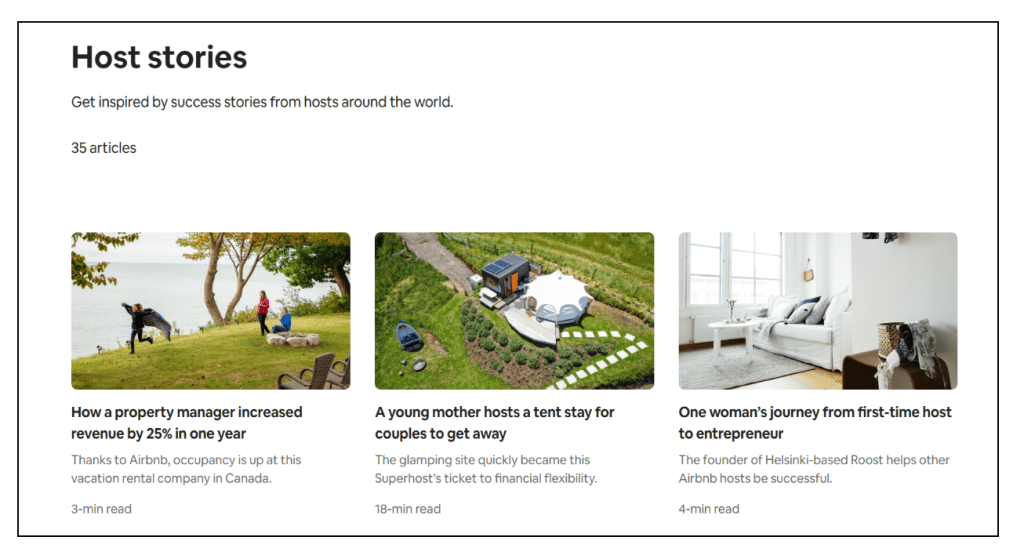
Airbnb features stories of hosts who have referred others in their blog and newsletters. This public acknowledgment serves as a non-monetary reward that enhances the host’s reputation and encourages others to refer.
7. Branded Merchandise and Swag
High-quality, limited-edition branded merchandise serves as a constant reminder of your appreciation and can turn referrers into walking ambassadors for your brand.
Example: Dropbox’s Branded Swag
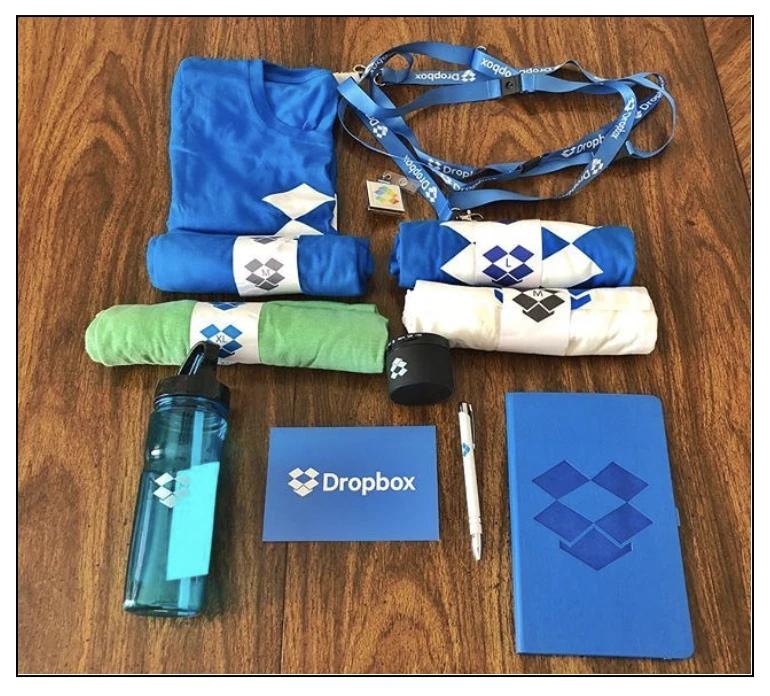
Dropbox rewarded users who referred friends with additional storage space and branded merchandise like t-shirts and stickers. This not only incentivized referrals but also increased brand visibility.
8. Access to an Exclusive Community
Creating a private online group or forum for top referrers fosters a sense of belonging and provides a platform for them to share insights and experiences.
Example: Harley-Davidson’s HOG Community

Harley-Davidson’s Harley Owners Group (HOG) offers members exclusive access to events, forums, and content. Members who refer others can gain additional perks within the community, strengthening their loyalty and encouraging further referrals.
9. “IRL Brand Adventure” – Invite Them to Join Your Team on the Road
(🧠 Suggested by Referral Rocket)
Here’s one nobody’s doing: offer your top referrer a chance to travel with your team to a conference, pop-up, or activation. Let them represent your brand in real life.
- Fly them out to CES, SXSW, or your booth at Web Summit
- Give them swag, VIP access, and a custom “Brand Ambassador” lanyard
- Document their journey on socials

📸 You can film the whole thing and turn it into a campaign: “From Fan to Face of the Brand.”
10. Gamification and Achievement Badges
Implementing a system where referrers earn points or badges for their efforts adds a fun and competitive element to the referral process.
Example: Duolingo’s Leaderboards
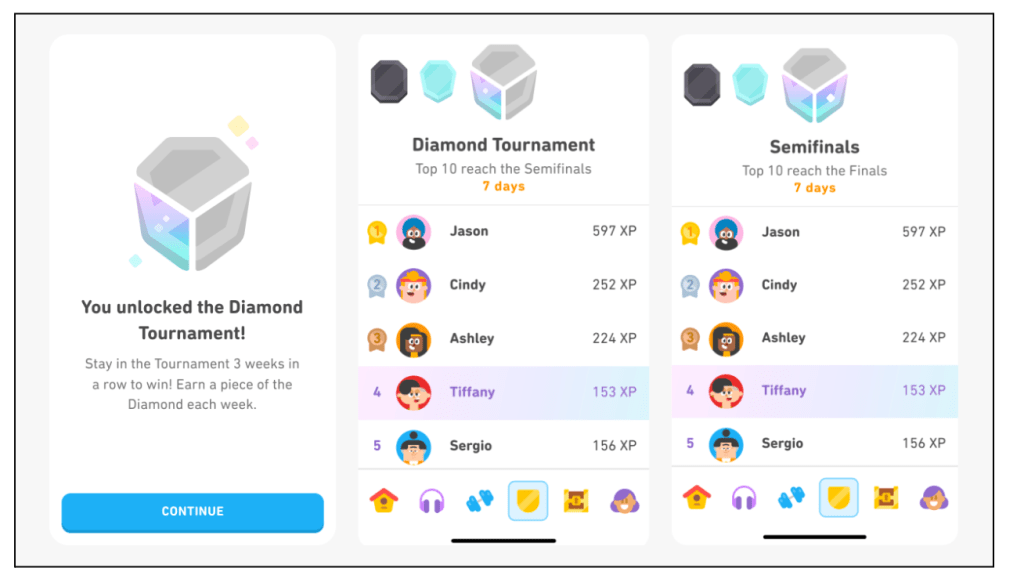
Language-learning app Duolingo uses leaderboards and achievement badges to motivate users to refer friends and engage more deeply with the app.
Wrapping It Up
At the end of the day, people don’t always refer brands because of rewards. They do it because they feel a connection. They believe in what the brand stands for. And sometimes, a simple “thank you” that feels personal means more than a $10 coupon.
The non-monetary ideas we shared—like giving early access, offering public recognition, or creating fun surprises—aren’t just cheaper. They’re smarter. They build real relationships and turn everyday customers into true fans.
And if you’re looking for a way to manage your referral program without the stress, ReferralRocket makes it easy. It helps you track, reward, and grow your referrals—whether you’re offering cash, experiences, or anything in between.
Whether you’re a startup, a SaaS business, or an ecommerce brand, ReferralRocket gives you the tools to make word-of-mouth marketing a whole lot easier (and a lot more fun).
👉 Start your free trial or book a quick demo here → referralrocket.io
Let your happy customers do the talking. We’ll handle the rest. 🙌