


Did you know that over 92% of consumers trust referrals from people they know? This striking statistic underscores the immense power of referral marketing in today’s business world. But what exactly is referral marketing?
It’s a strategy that enables satisfied customers to advocate for your brand, bringing in their friends or colleagues as new customers, often incentivized with rewards.
But, why is this strategy crucial today?
In the digital age that we are living in , traditional advertising faces challenges like ad fatigue and skepticism, making personal recommendations more valuable than ever. Consumers are bombarded with countless marketing messages daily, leading to confusion that remains at an all-time high, making them feel vulnerable and overwhelmed. This environment makes trust a rare and invaluable commodity.
This comprehensive guide delves into the transformative potential of referral programs, exploring how they can significantly amplify your business growth. From tapping into the networks of your existing customers to crafting an incentive structure that motivates continuous engagement, referral marketing isn’t just another strategy—it’s a crucial component of modern business success. Ready to unlock the power of your customer’s word-of-mouth? In this comprehensive guide, we’ll delve into the core principles of referral marketing and explore how Referral Rocket can be your key to unlocking this powerful strategy.
Section 1: Understanding Referral Marketing and Its Benefits
Referral marketing is a very powerful strategy which relies on the two major pillars that is trust and Influence of personal recommendation. This strategy is so powerful that if used correctly businesses can tap into a potent force that extends far beyond traditional marketing channels. That’s why it is important to understand what referral marketing is.
Section 1.1 : Understanding What Referral Marketing Is?
Referral marketing, at its core, transforms satisfied customers into passionate advocates for your brand. Imagine a favorite restaurant of yours. If you recommend it to a friend and they visit based on your suggestion, that’s referral marketing in action—simple, yet profoundly effective.
This marketing strategy harnesses the power of personal recommendations, which have always been a trusted source for consumers. Unlike traditional advertising, which broadcasts a generic message to a broad audience, referral marketing delivers a personalized, trusted suggestion from a friend. It’s not just about making a sale; it’s about creating a community of brand advocates who believe in your product and willingly spread the word.
With having the understanding of core concept of referral marketing , now let’s explore the multitude of it’s benefits
Section 1.2 : Benefits of Referral Marketing
Referral marketing offers standout advantages, particularly the digital age we are living in, Trust and authenticity are highly valued by consumers. Here’s a deeper look into why it’s so effective:
- Trust and Credibility: One of the most significant strengths of referral marketing is the trust it inherently carries. People naturally trust their friends and family more than they trust advertisements. A study by Nielsen highlighted that individuals are four times more likely to purchase a product when it’s referred to them by someone they know. This high level of trust that comes with personal recommendations is something that paid ads and cold calls simply cannot match.
- Cost-Effectiveness: Referral marketing is also more cost-efficient compared to traditional advertising methods. This is because costs are incurred only when a new customer is actually acquired through a referral, which contrasts sharply with other advertising strategies where expenses accumulate regardless of whether they result in new customers. By focusing on gaining customers who are more likely to make a purchase, companies can reduce wasted expenditure and increase their marketing ROI.
- Improved Customer Retention: Customers who join a service or purchase a product based on a friend’s suggestion tend to stick around longer. Research indicates that referred customers have a 37% higher retention rate than those acquired through other marketing channels. This loyalty is beneficial as retaining an existing customer is generally less expensive than acquiring a new one.
- Self-Sustaining Growth: Another beautiful aspect of referral marketing is its potential to self-perpetuate. Every new customer brought in through a referral has the potential to become an advocate for the brand, referring more new customers and creating a positive feedback loop. This virtuous cycle can lead to sustained growth without proportional increases in marketing spend.
These benefits make referral marketing an invaluable strategy in today’s market, where consumers are looking for authenticity and businesses are aiming for efficient growth strategies.
Section 1.3 : Overview of Referral Marketing’s Growing Significance in B2B and B2C Industries
With these compelling benefits, it’s no wonder that referral marketing is gaining significant traction across industries, both in the B2B and B2C sectors. Referral marketing is reshaping how companies in both the B2B and B2C sectors approach customer acquisition and growth. Let’s see why this strategy is becoming increasingly pivotal across these diverse industries.
In the B2B Arena:
Building trust is crucial in the B2B sector, where relationships often dictate business outcomes. According to a study by Influitive, over 84% of B2B decision-makers start the buying process with a referral. This statistic highlights the importance of leveraging existing business connections to acquire new clients. In environments where the stakes are high and the products or services offered are complex, a referral acts as a mark of credibility and reduces the perceived risk associated with new business engagements.
Furthermore, the lifetime value (LTV) of a referred customer in B2B can be significantly higher. Market research from the Wharton School of Business shows that referred clients have a 16% higher lifetime value compared to non-referred clients. This is because referrals often result in better-aligned client-company relationships from the outset, leading to more substantial and enduring contracts.
In the B2C Sector:
On the flip side, the B2C market thrives on volume and speed. Here, referral marketing capitalizes on the personal networks of consumers to drive brand awareness and sales quickly. When a consumer is enthusiastic about a product, they can instantly share their experience across social media platforms, reaching hundreds, if not thousands, of potential customers in moments.For example, Dropbox’s referral program, which rewards both the referrer and the referee with additional storage space, permanently increased their sign-up rates by over 60%.
Moreover, the emotional component of B2C purchases makes referrals especially effective. A recommendation from a friend or family member can sway decisions more powerfully than any advertisement. For B2C companies, leveraging this natural advocacy through referral programs not only brings in more customers but also enhances customer loyalty and lifetime value. With the rise of online shopping, where decision fatigue is common due to the overwhelming number of choices, referrals act as a filter that cuts through the noise and directs consumers towards trusted products.
A Cross-Industry Surge:
The growing significance of referral marketing across industries can also be attributed to technological advancements that allow for better tracking and rewarding of referral activities. Sophisticated software solutions now enable companies to manage complex referral programs at scale, providing insights into customer behavior and program effectiveness.
For instance, companies utilizing platforms like Referral Rocket can seamlessly integrate referral tracking into their marketing strategies, making it easier to measure impact and ROI. These tools help refine the approach based on real-time data, ensuring that both referrers and referees are more engaged and that the programs continually evolve to meet the participants’ expectations.
Whether closing a high-value deal in a B2B context or influencing a quick purchase in a B2C setting, referral marketing is proving to be a transformative strategy for modern businesses.
Seeing the far reaching impact of referral marketing across the industries , it is also important to see how it influences different roles within an organisation, from marketing and sales to customer success and beyond.
Section 1.4 : Understanding the Impact of Referral Marketing Across Roles
Referral marketing provides targeted benefits that enhance the roles and goals of different team members within a company. Let’s understand how this strategy plays out for different personas in an organisation.
Marketing teams aim to create and run campaigns that capture attention and convert viewers into customers. Referral marketing is a potent tool for them because it taps into the trust that customers already have in their friends and family:
- Boosts Campaign Credibility: By leveraging personal recommendations, referral marketing adds a layer of trust and authenticity to your campaigns.
- Cost-Effective: This strategy reduces reliance on expensive advertising methods by using satisfied customers to spread the word naturally.
- Higher Engagement Rates: People tend to engage more with a brand when they hear about it from someone they trust, leading to better outcomes for campaigns.
- Enhanced Brand Loyalty: Customers who advocate for your brand are more likely to stay connected and loyal due to the positive experiences associated with sharing.
For Product Managers:
Product managers focus on developing products that meet market needs and exceed user expectations. Referral marketing provides them with direct consumer insights that are crucial for product development:
- Valuable Customer Feedback: Gaining feedback through referrals allows product managers to hear what users like and dislike, helping to fine-tune products.
- Increased Product Adoption: When new customers come through a referral, they’re often more open to exploring other products offered by the brand.
- Market Validation: Positive feedback and high referral rates indicate that a product is meeting the needs of its users.
- Prioritization of Features: Analyzing which aspects of a product drive referrals can guide product managers in focusing on the most impactful features.
Founders are primarily interested in strategies that scale their business efficiently and sustainably. Referral marketing offers a powerful way to grow while building brand credibility:
- Scalable Customer Acquisition: Referral programs can grow a customer base quickly without proportionally increasing the marketing budget.
- Building Brand Trust: As referrals usually come from trusted sources, they can accelerate the process of building a brand’s reputation.
- Cost Efficiency: By lowering the cost per acquisition, referral marketing allows founders to allocate resources more effectively across the business.
- Long-term Growth: Establishing a successful referral program can lead to sustained growth through a growing network of enthusiastic customers.
Each of these roles benefits from a structured approach to referral marketing, which not only helps in reducing costs but also in building a stronger, more loyal customer base.
With the understanding of the concept of referral marketing, its significance across industries, and its impact across different personas in an organization, it’s now time to dive deeper and understand the mechanism behind this powerful strategy.
Section 2 : How Referral Marketing Works
Referral marketing may seem like a straightforward concept, but executing it effectively involves several key mechanisms. By understanding and implementing these mechanisms, businesses can harness the full potential of this powerful marketing strategy.
Section 2.1 : Identifying Referrers and Target Audiences
Identifying Referrers :
The first step in any successful referral program is identifying who your referrers will be. Typically, these are your satisfied customers who have experienced your product or service firsthand. However, referrers can also include employees, business partners, or even influencers who understand and appreciate the value of what your company offers.
Target Audiences :
Once you’ve identified your potential referrers, the next step is to pinpoint the target audience they will reach out to. This audience should ideally consist of like-minded individuals who share similar needs or interests as your referrers and are likely to benefit from your products or services. Knowing your audience allows you to tailor your messaging and rewards to suit their preferences, thereby increasing the likelihood of successful referrals.
Once you’ve identified your referrers and target audience, you must move to the crucial next step of incentivizing your referrers with compelling rewards. This pivotal move ensures participants stay motivated and actively spread the word about your brand. Moving forward let’s learn more about incentivizing the referrers
Section 2.2 : Incentivizing Referrers with Rewards or Recognition
Incentives are the driving force of any referral program. They motivate your referrers to spread the word about your brand. The key is to offer incentives that are valuable enough to motivate your referrers but also sustainable for your business. Common incentives include:
- Monetary Rewards: Cash or cash-equivalent rewards like gift cards are straightforward and highly appealing to many people. For instance, PayPal famously gave away money to both the referrer and the referred, fueling its rapid growth in its early days.
- Discounts: Offering discounts on future purchases can encourage repeat business while also rewarding customers for their referrals. An example here is Uber, which provides ride credits to referrers, effectively keeping customers engaged with the platform.
- Exclusive Access: Providing access to exclusive services, products, or events can be a significant draw. Amazon Prime, for example, occasionally offers Prime members exclusive referral bonuses, such as extended trial periods for friends who sign up through their referral link.
Section 2.3 : Understanding the Value of ROI in Referral Marketing
Knowing the return on investment (ROI) for your referral program is key to understanding its effectiveness. Simply put, ROI tells you whether the money you’re putting into your referral marketing is actually bringing you enough value in return. This measure helps you decide whether to expand, tweak, or even halt your program based on its financial performance. Checking your program’s ROI regularly gives you a clear picture of how your marketing efforts translate into profits.
For an easy way to measure your program’s ROI, you can use tools like the ROI Calculator provided by Referral Rocket. You can calculate your program’s ROI by visiting their page here: ROI Calculator.

Section 2.4 : Setting Up a Referral Program Structure That Suits Your Business Goals
The structure of your referral program should align with your overall business goals and marketing strategy. This involves deciding on the rules of the program, such as how and when the rewards will be distributed, the method of tracking referrals, and any qualifications for participation. The program should be easy to understand and participate in, reducing any barriers for referrers to send referrals.
For instance, Dropbox’s referral program allows users to easily invite friends via email or social media directly through the app, and both parties receive additional storage space once the new user signs up and installs the application. This simplicity and mutual benefit have made it one of the most cited examples of a successful referral program.
Combining these mechanisms and reward types, you can create a referral program that not only drives new customer acquisitions but also enhances customer loyalty and brand advocacy. This is the essence of how referral marketing works—a strategy built on trust and mutual benefit, powered by your most satisfied customers.
Section 3 : Referral Marketing Strategies
Referral marketing is a key strategy that helps businesses grow and maintain customer loyalty. We have covered specific approaches for B2B, B2C, and Direct-to-Consumer (D2C) businesses, showing how each can use referrals to their advantage.
So, we have provided practical strategies along with real-life examples. These methods aim to increase referrals, strengthen customer relationships, and improve a business’s standing in the market.
Section 3.1 : Effective referral marketing strategies for B2B businesses
Referral marketing is a powerful strategy for B2B businesses because trust and credibility are so important. Recommendations from trusted sources are highly valued in the B2B world. Here are some straightforward referral marketing strategies along with real-world examples.
By using these specific strategies, B2B businesses can make the most of referral marketing to grow steadily and strengthen their position in the market.
1. Leveraging Customer Testimonials and Case Studies
Start by using customer testimonials and detailed case studies as a foundational element of your referral program. These not only serve as proof of your credibility but also help potential clients visualize the benefits of your services or products.
Example:
Slack used a unique approach by creating a testimonial video with Sandwich Video Inc. This video cleverly showcases how Slack approached them for a testimonial, turning into a fun and engaging story of how Slack’s services helped improve their business communications. This not only displayed Slack’s value but also creatively encouraged others to consider how Slack might help them too.

2. Creating Tiered Incentive Programs (Example: Rover)
Implementing a tiered incentive structure can significantly increase the participation rate in your referral program. This strategy rewards referrers more generously as they bring in more high-quality leads or customers.
Example:
Rover, a platform that connects pet owners with sitters, uses a tiered referral program where you can earn more depending on the type of user you refer. If a friend signs up as a pet parent, you earn a $20 Rover credit, but if they sign up as a sitter or dog walker, you earn a $50 credit. This system motivates users to refer not just customers but also potential service providers who bring more value to the platform.

3. Partnering with Other Businesses
Forming partnerships with companies that offer complementary services can open up new referral channels. This can be particularly effective in B2B environments where services or products naturally complement each other.
Example:
HubSpot partners with other businesses by offering them benefits for referring clients to HubSpot’s software. This partnership is beneficial for both as it helps provide more value while expanding HubSpot’s customer base through trusted referrals.

4. Utilizing LinkedIn for Networking and Referrals
LinkedIn is an invaluable tool for B2B referral marketing. Encouraging your clients to share their positive experiences on LinkedIn, tagging your company, and perhaps even providing a special incentive for such LinkedIn referrals can expand your reach considerably.
Example:
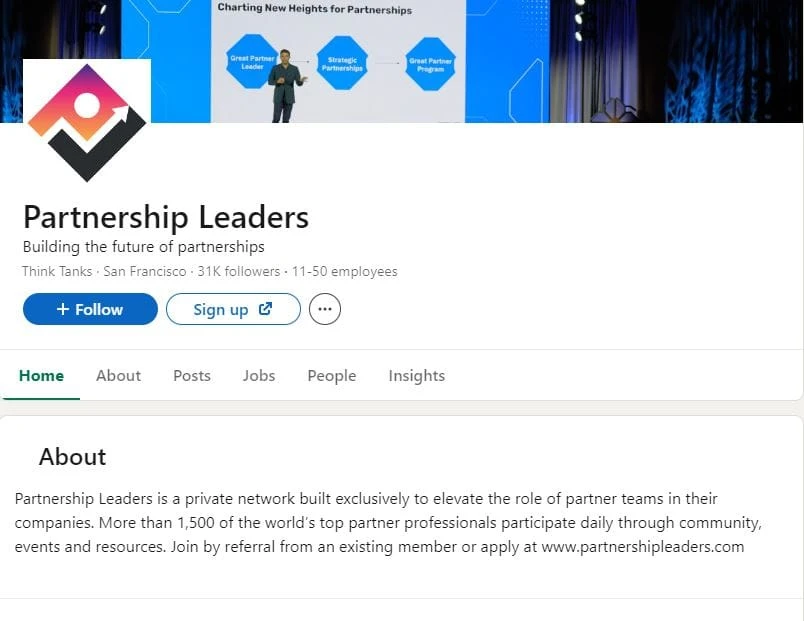
Partnership Leaders is a community for partnership professionals that effectively uses LinkedIn to engage members and facilitate industry connections. Members share their positive experiences and the value of the community, naturally leading to referrals as they highlight the professional benefits of joining.

5. Hosting Exclusive Networking Events
Hosting exclusive events for your clients, industry influencers, and their guests can foster an environment conducive to sharing and referrals. These events provide a platform for clients to share their success stories directly with potential referrals in a relaxed and engaging setting.
Example:
Friendbuy hosts events that bring users together to network and share experiences. These gatherings are designed not just as social events but as strategic opportunities to encourage referrals, helping build a community where each member is a potential advocate for the brand.

These strategies illustrate how B2B companies can effectively use referrals to grow their businesses by building trust, fostering community, and providing value through structured incentives and strategic partnerships.
Section 3.2 : Effective referral marketing strategies for B2C businesses
B2C businesses are ideally suited for referral marketing due to their direct interactions with customers. Here are some strategies accompanied by real-world examples. Each strategy is aimed at not just increasing the number of referrals but also at strengthening relationships with customers, which can lead to greater loyalty and satisfaction.
1. Simplify the Referral Process
Effortless sharing mechanisms encourage more frequent use. By streamlining the referral process, you make it incredibly easy for customers to share your product or service, effectively increasing your reach and potential customer base without adding complexity.
Example:
Amazon uses a simple “Share this product” feature that allows customers to send product links to friends via email, social media, or direct link. This convenience encourages more frequent sharing, directly increasing potential customer reach without complicating the process.

2. Utilize Social Media Platforms
Leveraging the vast network and interactive capabilities of social media can significantly boost the visibility and effectiveness of your referral program. This approach taps into users’ existing social habits and provides a familiar platform for sharing and promoting your brand.
Example:
Fashion Nova, a popular online clothing store, encourages customers to share their outfits on Instagram with a specific hashtag. Participants are entered into a weekly contest to win gift cards. This not only promotes the brand but also integrates seamlessly with users’ social media activities, making referrals fun and engaging.

3. Offer Dual Incentives
Providing rewards for both the referrer and the referred enhances motivation on both ends. This strategy ensures that every party involved in the referral process feels valued and benefits directly, which encourages wider participation and more active sharing.
Example:
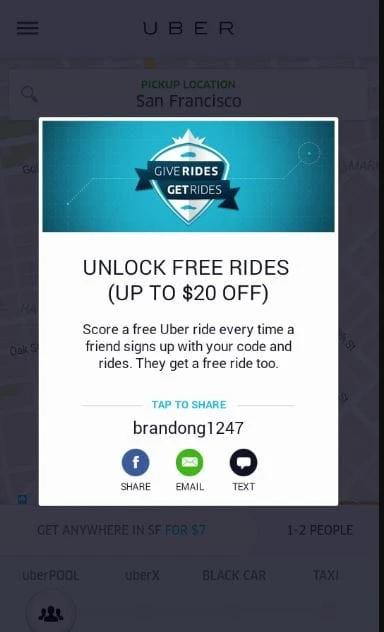
Uber’s referral program offers free ride credits to both the new rider and the person who referred them. This dual-benefit system effectively doubles the incentive to participate, encouraging users to share their referral code with as many people as possible.
4. Create Tiered Rewards
Introducing a system where the rewards increase with the number of successful referrals motivates customers to continue participating over time. This can lead to sustained engagement and makes the referral process more rewarding for active participants.
Example:
Dropbox offers additional storage space for both the referrer and the friend once the friend signs up and installs the app. Additional bonuses are granted for more installations, encouraging ongoing engagement and continuous sharing.

5. Incorporate Gamification
Integrating game-like elements such as tiers can make the referral process more engaging and enjoyable. This strategy not only makes participating in the program more interesting but also helps sustain long-term engagement and loyalty.
Example:
Starbucks’ Rewards program uses a point system where customers earn stars for purchases. These stars can be used to achieve different levels of rewards, and during special promotions, customers can earn double stars for referring friends or making specific purchases. This gamification adds an exciting layer to the customer experience, enhancing engagement and loyalty.

By integrating these strategies, B2C companies can not only boost their referral rates but also create more meaningful interactions with customers, leading to increased satisfaction and loyalty. Each strategy, when implemented effectively, harnesses the natural social behaviors of consumers, turning everyday interactions into powerful marketing opportunities.
Section 3.3 : Effective referral marketing strategies for D2C businesses
Direct-to-consumer (D2C) businesses operate uniquely, connecting directly with customers and bypassing traditional retail channels. Here are five effective referral marketing strategies tailored for D2C businesses, complete with real-world examples to demonstrate how these strategies can be successfully applied.
1. Personalized Referral Codes
Offering personalized referral codes or links that customers can share with friends and family personalizes the referral experience. This makes customers feel more connected to the brand, as they share a part of their personal selection with others, enhancing the sense of exclusivity and loyalty.
Example:
Glossier, a popular skincare and makeup brand, provides customers with personalized referral link that offer both the referrer and the referee a discount on their purchase. This personal touch not only incentivizes the sharing of these codes or links but also makes customers feel like they are giving a personal recommendation to their friends.

2. Leveraging Influencer Partnerships
Collaborating with influencers who resonate with the brand and can authentically promote products to their followers extends the brand’s reach while maintaining authenticity. Influencers can help translate the brand’s values and benefits in a way that feels personal and genuine, encouraging their followers to try the products for themselves
.
Example:
Casper, the mattress startup, partnered with influencers and bloggers to offer special discount codes to their followers. These influencers create content around their personal experience with the product, which feels more genuine and relatable than traditional advertisements.

3. Exclusive Access for Referrals
Providing exclusive access to products or special content as a reward for successful referrals creates a sense of belonging and exclusivity. This not only rewards active referrers but also incentivizes new customers to engage deeply with the brand, potentially leading to more referrals..
Example:
Nike offers an excellent example. NikePlus Membership program rewards users by granting early access to exclusive products. This strategy not only incentivizes existing customers to make referrals but also enhances the exclusivity of being part of the Nike community, encouraging new users to join through referrals for these benefits

4. Community Building Activities
Fostering community through activities that encourage referrals, like special events or membership clubs, can enhance the communal feel of a brand. This strengthens the emotional bond between the brand and its customers, encouraging loyalty and ongoing engagement.
Example:
Peloton has effectively used its community-building strategy by encouraging members to invite friends to join virtual classes. Referring a friend can sometimes lead to rewards like branded merchandise, which enhances community feeling and loyalty.

5. Referral Contests and Giveaways
Organizing contests and giveaways that customers can participate in through referrals injects an element of excitement and competition into the referral process. This strategy not only motivates more sharing but also amplifies brand visibility and engagement through fun and interactive challenges.
Example:
Nykaa, an Indian cosmetics brand, effectively utilized this strategy by hosting a giveaway on Instagram. Participants were required to follow Nykaa’s page, like the contest post, and leave a comment to enter. This contest not only engaged existing followers but also motivated them to share the post with friends to increase their chances of winning a set of lipsticks. Such activities help amplify the brand’s visibility and attract new customers through social media engagement.

These strategies demonstrate how D2C brands can creatively use their direct customer relationships to drive growth through referral marketing, each leveraging the inherent strengths of the D2C model to enhance customer engagement and acquisition.
Section 4 : Choosing the Right Tools and Platforms for Referral Marketing
When starting a referral marketing program, picking the best tools and platforms is key. One great choice is Referral Rocket, known for its strong features that help you manage and boost your referral efforts effectively. Let’s look at what makes such platforms invaluable for your referral marketing:
1. Customization:
Every brand is unique, and your referral program should reflect that. Tools like Referral Rocket let you adjust everything to fit your brand’s style and goals. This means you can set up your referral messages, rewards, and even the design of your referral page to match what your brand stands for. The more your program feels like a part of your brand, the better it will connect with your audience.
2. Scalability:
Your business will grow, and your referral program should grow with it. A good platform can handle more users and more activity without any problems. It should grow with your business, handling everything smoothly as you expand.
3. Data Analytics:
Knowing how well your referral program is doing is crucial. Platforms like Referral Rocket offer detailed analytics that track everything from how many people are sharing your referral to how many are actually buying because of it. This data helps you see what’s working and what’s not, so you can make changes to improve.
4. Integration Capabilities:
A great referral platform works well with other tools you use, like your customer relationship management (CRM) software, email marketing tools, and social media. This helps you keep all your data connected and makes your marketing efforts more effective. When everything works together, you can give your customers a smoother experience and make your campaigns more powerful.
Choosing the right tool means looking at how it fits with your current tech, how it can grow with your business, the insights it provides, and how it connects with other platforms you use.
A good referral marketing platform isn’t just about making things easier; it’s about making your marketing better. It should help you engage with your customers more deeply, make your programs more attractive, and help you see real growth from your referral efforts. With the right tool, your referral program can become a key part of your marketing strategy, helping to keep your customers coming back and bringing new ones with them.
Launching Your Referral Program with Referral Rocket in 5 simple steps
Referral Rocket simplifies the process of launching and managing referral programs, putting the power of word-of-mouth marketing at your fingertips. Here’s how you can get started:
Step 1: Set Clear Goals
- Define your objectives for the referral program and select a campaign type, whether it’s increasing brand awareness, boosting sales, or expanding your customer base.

Step 2: Incentivize Advocates with Rewards
- Offer attractive incentives, such as discounts, exclusive access, or special promotions, to motivate customers to refer your products or services. Clearly communicate the reward details, ensuring transparency and excitement. ReferralRocket allows you to customize and highlight these enticing rewards, creating a compelling reason for advocates to share their positive experiences with others.

Step 3: Customize the Look and Feel of Your Referral Widget
- ReferralRocket empowers you to effortlessly customize the appearance of your referral widget to align with your brand’s aesthetics. Tailor the colors, fonts, and layout to seamlessly integrate the widget into your website, creating a cohesive and engaging user experience. The platform’s user-friendly interface ensures that you can effortlessly match the widget to your brand’s identity, enhancing its visual appeal and maximizing its impact.

Step 4: Install and Publish Your Referral Program
- Referral Rocket simplifies the installation process, offering two seamless options. Choose to publish your referral program directly through Referral Rocket’s hosting for a quick and hassle-free setup. Alternatively, embed the referral widget directly into your website, allowing for a more integrated and customized experience. Whichever method you select, ReferralRocket ensures a smooth implementation, putting the power of your referral program at your fingertips for immediate impact.
Step 5: Track Progress and Watch Your Business Grow
- Leverage Referral Rocket’s robust tracking and analytics tools to monitor the performance of your referral program. Keep a close eye on key metrics, such as conversion rates and the lifetime value of referred customers. Gain valuable insights into your program’s effectiveness and make data-driven decisions to optimize and enhance your strategy. As you track progress, witness your business grow exponentially, fueled by the power of satisfied customers becoming passionate advocates.
Section 5 : Measuring and Analyzing Referral Program Performance
To truly understand the effectiveness of your referral program, you need to focus on specific metrics that provide insights into how well your marketing strategies are working. Here’s how you can measure and analyze your referral program’s performance effectively:
1. Track Key Metrics:
- Customer Acquisition Cost (CAC): This metric indicates how much you spend to acquire a new customer through your referral program. For eCommerce businesses, the average CAC can be as low as $70, which is significantly lower than industries like SaaS where it can go up to $702 . Ensuring your CAC is optimized against your budget is crucial for maintaining profitable marketing strategies.
- Lifetime Value (LTV): LTV measures the total revenue a business can expect from a single customer account. It helps you understand how valuable customers are to your business over time. Typically, a healthy LTV to CAC ratio is about 3:1, meaning the lifetime value of a customer is three times the cost to acquire them .
- Referral Conversion Rates: This metric helps you track how many referrals actually turn into customers. It gauges the effectiveness of your referral messages and incentives, guiding you to better optimize your approaches.
2. Set Realistic Goals and KPIs:
Define clear, attainable objectives based on industry benchmarks. For example, if you’re in the eCommerce sector, knowing that the average CAC is around $70 can help you set a competitive target that aligns with industry standards. These goals should push your program to maximize potential without setting unrealistic expectations.
3. Use Performance Insights to Refine Strategies:
Analyze the data you gather to refine and optimize your strategies. Look at which aspects of your referral program are performing well and which areas might need adjustments. This could involve tweaking your reward structures, refining your target audience, or even changing how you communicate your referral program to better resonate with potential referrers.
By consistently monitoring these metrics and adjusting your strategies based on the data, you can improve the effectiveness of your referral program and ensure it delivers the best possible ROI. Regularly setting and revising KPIs based on industry benchmarks keeps your program competitive and aligned with market expectations.
Section 6 : What Are Common Mistakes To Avoid When Implementing Referral Marketing?
Implementing a referral marketing strategy can significantly amplify your business’s growth, but it’s easy to stumble along the way. Let’s talk about some common pitfalls you should avoid to ensure your referral program thrives:
1. Overcomplicating the Referral Process:
Making the referral process too complicated is a surefire way to discourage participation. Think about it—would you go through a maze just to recommend a product to a friend? Keep the process simple. Ask yourself, “Can my customers share this with a friend in less than a minute?” If not, it might be time to streamline your approach.
2. Inadequate Rewards:
“If you pay peanuts, you get monkeys.” This old saying holds true in referral marketing too. If the rewards aren’t enticing enough, why would your customers bother?
Ensure that the incentives are desirable and relevant to your audience. Remember, a good reward system doesn’t just motivate existing customers to make referrals; it also enhances the overall appeal of joining your brand ecosystem.
3. Poor Communication:
Not clearly communicating the details of your referral program can lead to misunderstandings and reduced interest. Customers should be able to easily find out how the program works, what they need to do, what they’ll gain, and what their friends will get. Transparency builds trust, and trust builds a successful referral program.
4. Neglecting to Monitor and Adapt:
Referral marketing is not a set-it-and-forget-it strategy. It requires ongoing attention and adaptation based on performance metrics and feedback. Ignoring the data can lead to missed opportunities for improvement. Regularly review how your referral program is performing and be ready to make changes to optimize its effectiveness.
5. Not monitoring for frauds
Referral program fraud is very common. Failing to implement robust fraud monitoring systems is a critical mistake that can lead to significant losses through fake referrals and gaming of rewards. Many companies make the error of not setting up basic safeguards like tracking IP addresses, monitoring unusual patterns in referral claims, or verifying the legitimacy of referred customers before paying out rewards. Businesses often overlook the importance of establishing clear terms and conditions that define what constitutes fraudulent behavior and the consequences for violations. Referral Rocket comes in handy with in built fraud check on each participant.
Avoiding these common mistakes can help you create a referral program that not only attracts new customers but also delights and retains existing ones. By focusing on simplicity, rewarding incentives, clear communication, and responsive adjustments, you can turn your customers into enthusiastic brand ambassadors.
Conclusion
In this comprehensive guide, we’ve fully explored the transformative potential of referral marketing, a strategy that leverages the trust and loyalty of existing customers to drive business growth. By understanding and implementing the right practices, from tailoring referral programs with enticing rewards to using sophisticated tools like Referral Rocket for tracking and optimization, we can significantly enhance our marketing efforts.
Key takeaways :
- The importance of customizing referral programs to align with brand identity and customer preferences.
- The necessity of scalable, integrative tools that provide crucial analytics to measure program success.
- The pivotal role of strategic planning in setting realistic goals based on industry benchmarks.
Turning your customers into advocates is more than just a marketing strategy; it’s a sustainable approach to growth. By doing so, you not only capitalize on the trust they have in your brand but also transform them into a potent, self-propagating asset that drives your business forward.
“Loyal customers, they don’t just come back, they don’t simply recommend you, they insist that their friends do business with you.” – Chip Bell.
This quote encapsulates the essence of turning your customers into advocates. It’s about creating such a positive experience that they become your most vocal supporters.