

Micro-influencers are social media creators with 10,000 to 100,000 followers. They aren’t A-list celebrities or viral TikTok sensations with millions of fans. They’re regular people with loyal, targeted audiences who follow them for their authenticity, insights, or passion in a specific niche.
Micro-influencers influence fitness, skincare, sustainable fashion, coding tips, or parenting hacks because they’ve built real relationships with their audiences.
What makes them powerful?
- High authenticity
- Super-engaged audiences
- Deep trust with followers
- Niche content and community loyalty
- Low barrier for brands to collaborate with
While they may not bring mass exposure like mega-influencers, they deliver something more valuable: trust-driven referrals that convert.
Why Micro-Influencers Work So Well in Referral Marketing
Referral marketing is one of the book’s oldest and most effective strategies. People are far more likely to try a product if someone they trust recommends it. That’s exactly what micro-influencers bring to the table.
1. People Trust People
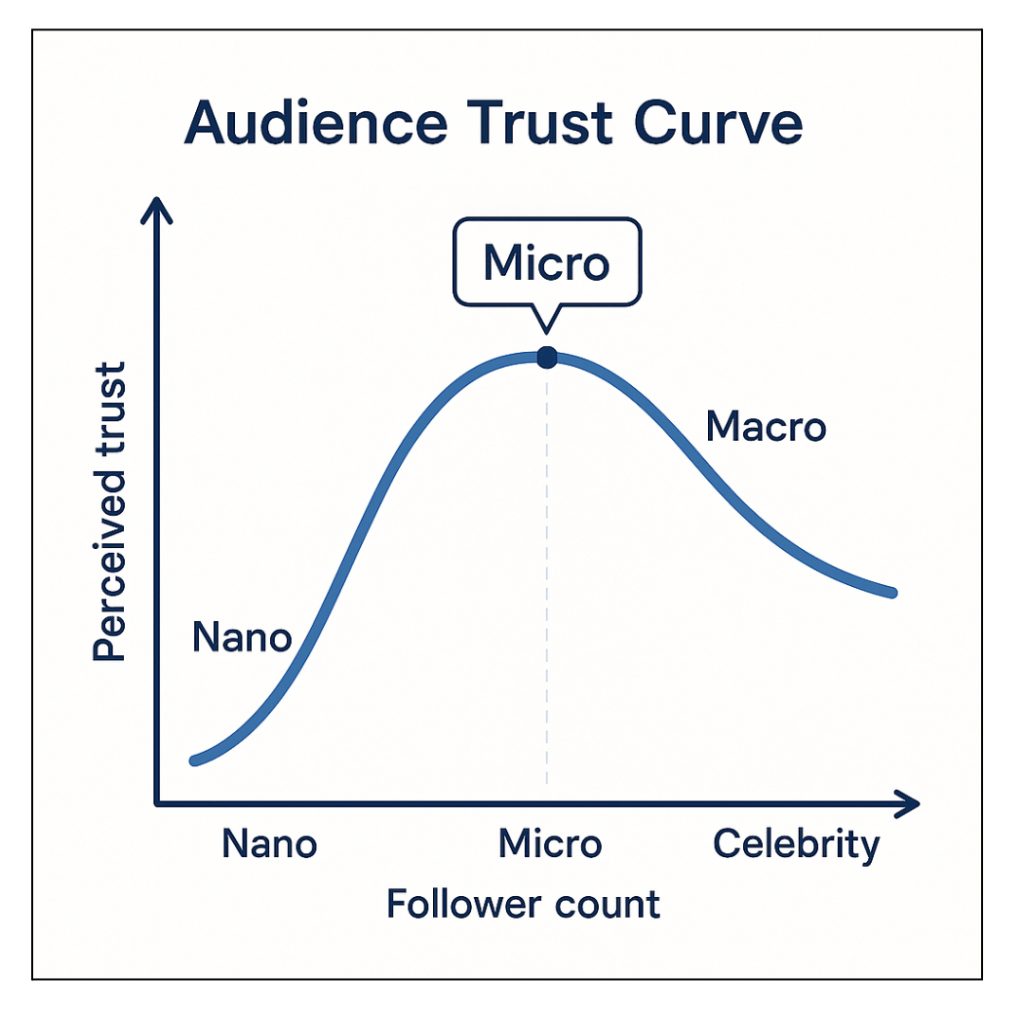
According to Edelman’s Trust Barometer, 61% of consumers say they trust influencers more than brands when it comes to product recommendations. That’s even more true when influencers have built a strong rapport with their audience over time.
When a micro-influencer recommends a product, it doesn’t sound like a paid ad—it sounds like a suggestion from a knowledgeable friend. Their followers feel that connection, and that’s what drives action.
🗨️ “I’ve been using this skin serum for 2 months and it changed my routine. Here’s 15% off if you want to try it too.”
That’s the kind of referral people act on.
This is especially true for younger generations like Gen Z and millennials, who are increasingly turning away from traditional advertising.
2. Better Engagement = More Referrals
Micro-influencers often deliver far better engagement than their larger counterparts. The more followers an influencer has, the more that engagement typically drops. With smaller, tighter communities, followers are more likely to comment, like, ask questions, and share.

On average, micro-influencers achieve:
- 4–9% engagement on Instagram
- 3–6% engagement on TikTok
- 2–5% engagement on YouTube
This is much higher than the 1–2% typical of macro and celebrity influencers.
And here’s why this matters: more engagement means more clicks on referral links, more people using their promo codes, and more sign-ups or purchases as a result.
Referral marketing depends on someone taking action. Micro-influencers don’t just get their audience’s attention—they get them to act.
3. Cost-Efficient Referrals
Working with micro-influencers is significantly more affordable than running campaigns with major influencers or celebrities. In fact, many micro-influencers are happy to collaborate for product swaps, affiliate commissions, or modest flat fees.
A typical micro-influencer might charge:
- $100–$500 per Instagram post
- $250–$750 for a short-form video
- Or simply accept a referral-based payout (e.g., $10 per signup)
This makes them ideal for startups, e-commerce brands, or any business looking to test referral campaigns without burning their budget.
On top of this, micro-influencers are often more flexible, easier to work with, and genuinely excited to collaborate with smaller brands, especially if there’s alignment with their personal values or audience interests.
4. They Target Specific Niches
The real strength of micro-influencers lies in their ability to reach specific communities with laser focus.
Referral marketing works best when the person making the recommendation shares values, interests, or problems with the person receiving it. That’s what micro-influencers excel at.
Instead of promoting your product to a broad, generic audience, you can reach:
- Eco-conscious Gen Z shoppers
- Young parents looking for baby care hacks
- Amateur athletes seeking training gear
- Local foodies in Sydney or Melbourne
- SaaS product reviewers in tech startup circles
This type of targeting results in more relevant referrals and ultimately higher conversion rates.
Referral Campaign Examples with Micro-Influencers
1. White Fox University
Australian fashion brand White Fox Clothing launched a campus-based micro-influencer campaign called “White Fox University.” Instead of relying on big-name influencers, they recruited everyday university students to post about their outfits on Instagram and TikTok.
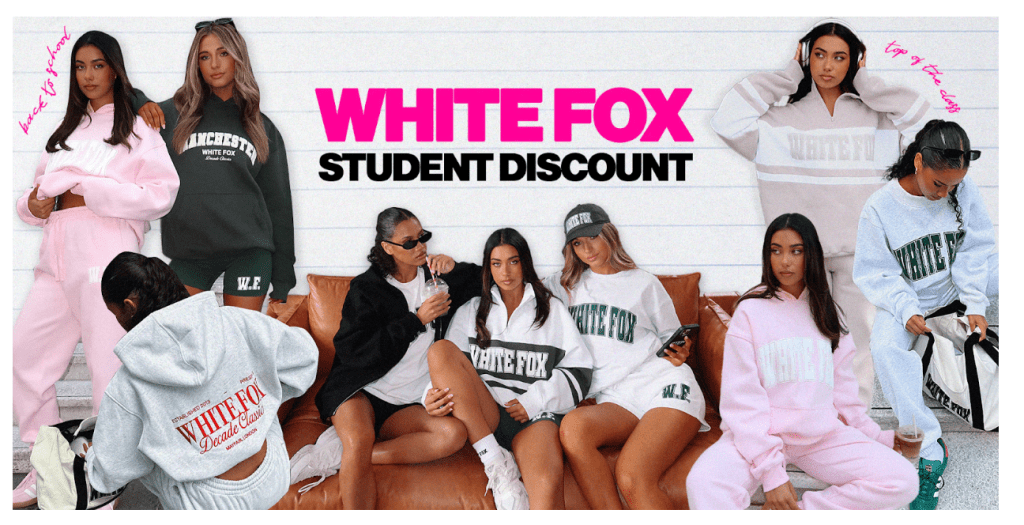
Participants were given referral codes and exclusive discounts to share with their networks.
The result? White Fox saw massive spikes in user-generated content and brand awareness among student audiences. Sales surged through word-of-mouth, not ads.
2. Gymshark’s Loyalty Collabs
Gymshark, the global fitness apparel brand, has relied on micro-influencers since its early days. Rather than pouring money into celebrity deals, they partnered with everyday gym-goers and fitness coaches.

These influencers promote Gymshark gear using personalized codes and links. They earn rewards or commissions based on how many referrals they generate, making it a perfect blend of affiliate and referral marketing.
This strategy allowed Gymshark to grow from a small UK brand to a global fitness powerhouse.
3. Notion’s Creator Program
Notion runs a formal Creator Program where micro-influencers—including YouTubers, productivity bloggers, and TikTok educators—can apply to promote the product. These creators typically have small but engaged audiences interested in workflows, note-taking, and productivity.
Each accepted creator gets:
- A custom referral link
- Early access to new features
- Co-branded assets
- Commissions are paid when users sign up for paid plans via their link

For example, a Notion YouTuber with ~15K subscribers might share a video titled “My Notion Dashboard Setup”, include their referral link in the description, and earn passive income for every conversion.
How to Build a Micro-Influencer Referral Program
Creating a successful program starts with the right strategy and tools. Here’s how to get going:
Step 1: Identify the Right Influencers
Look for influencers who:
- Post consistently in your niche
- Have at least 3–5% engagement
- Interact regularly with their followers
- Share content that feels real, not polished or overly promotional
Use platforms like Collabstr, Upfluence, Heepsy, or even just manual searches through Instagram and TikTok hashtags to find them.
Also, don’t overlook creators already talking about your brand. They’re your most natural referral partners.

Step 2: Build a Strong Referral Offer
Your referral reward should benefit both the influencer and their audience. Examples include:
- 15–20% off for their followers
- $10–$50 per conversion for the influencer
- Tiered bonuses for hitting monthly goals
- Free products or early access to new releases
Keep it simple, trackable, and worth their time.
Step 3: Track, Optimise, and Scale
Use tools like ReferralRocket.io to:
- Assign unique codes or links to each influencer
- Monitor performance in real time
- Automate payouts and track ROI
- Identify top-performing influencers to scale with
Don’t just run a one-off campaign. Think long-term. The best micro-influencer programs turn into ongoing partnerships that build loyalty and consistent referral growth.
Common Mistakes to Avoid
- Choosing influencers purely based on follower count
- Offering generic or one-size-fits-all incentives
- Not measuring the success of each campaign
- Relying on influencers without giving them the tools to succeed
- Treating influencer work as transactional instead of collaborative
Work with influencers as you would with partners. Their success is your success.
Micro-Influencers Are the Future of Referral Marketing
Referral marketing is evolving. Today, it’s not just about customer-to-customer word of mouth—it’s about community leaders helping people discover products they’ll love.
Micro-influencers make this possible at scale. They combine reach, relatability, and trust in a way no other channel can.
For brands looking to grow sustainably, especially those in eCommerce, SaaS, or consumer services, micro-influencers offer a low-cost, high-impact way to build referral engines that convert.
Ready to Take Action?
ReferralRocket.io makes it easy to:
- Launch your own influencer-powered referral campaigns
- Automate everything from code generation to rewards
- Track results and double down on what works
If you want to turn social influence into real growth, micro-influencers are the best place to start. Let ReferralRocket.io help you get there.
Check out how Influencer marketing helps boost your revenue.